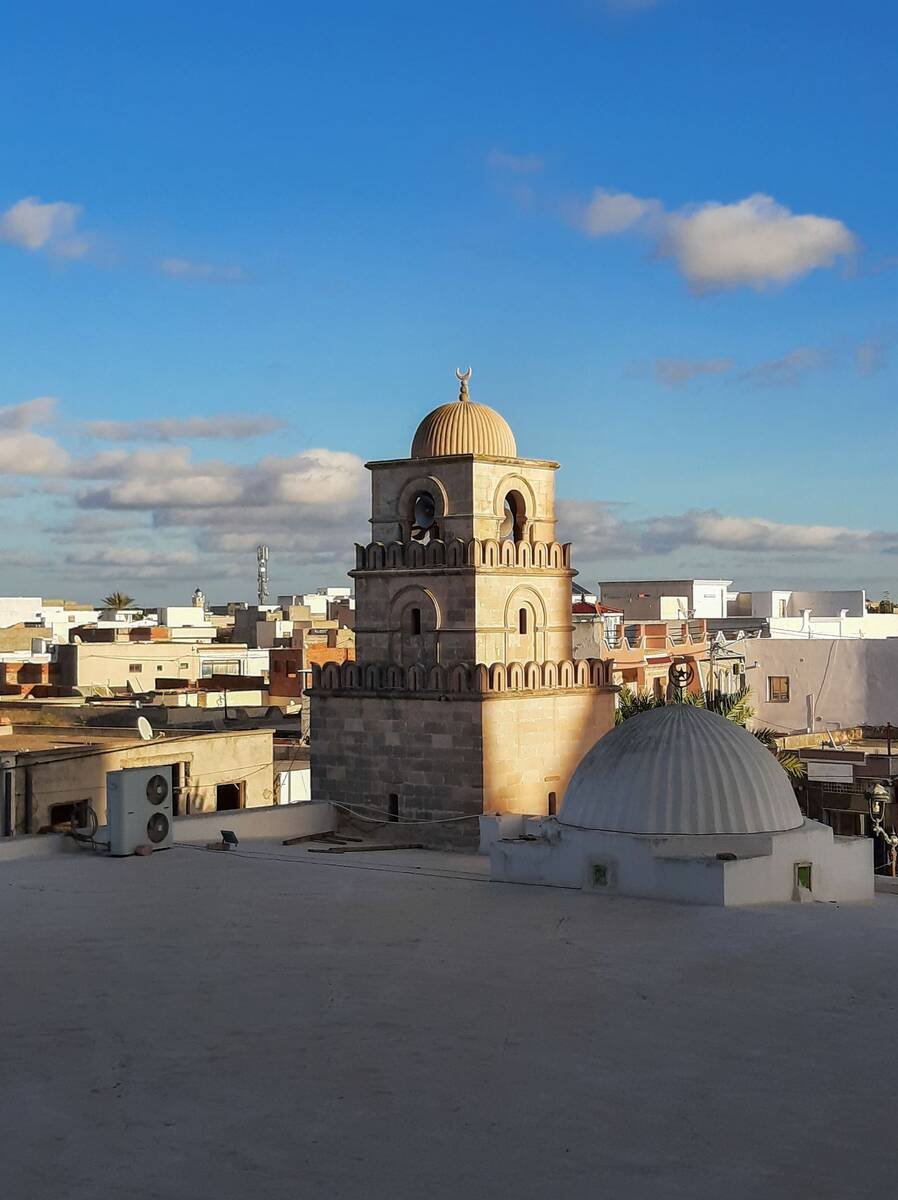
Yes, Tunisia is a Muslim country. Islam is the state religion, around 99 percent of the population is Muslim (mostly Sunni, of the Maliki school), and the call to prayer sounds five times a day in every town. But “Muslim country” covers a wide range of daily reality, and Tunisia sits at the relaxed end of it. Beach resorts feel close to southern Spain or Greece, alcohol is legal and easy to find, and women hold roles in law, medicine and politics that are unusual in the region. Here is what that means in practice for a visitor.
How religious is Tunisia in practice?
Tunisia’s modern legal identity was shaped by Habib Bourguiba after independence in 1956. His Personal Status Code banned polygamy, set a minimum marriage age and gave women the right to seek divorce through the courts. Those reforms remain in place, and the state treats religion as part of national identity rather than the source of all law.
Daily life varies by region and setting:
- Tunis, Sousse, Hammamet and Monastir: mixed and visibly modern. Plenty of women go bare-headed, cafes are full after dark, and international hotels run on European habits.
- Djerba: relaxed in the tourist zone, more traditional in Houmt Souk and the villages. The island also has a small, long-established Jewish community and the El Ghriba synagogue.
- Kairouan and the interior: noticeably more conservative. Kairouan is the fourth holiest city in Sunni Islam and a UNESCO World Heritage Site, so dress and behaviour matter more there. See our Kairouan guide.
- The south and Sahara towns: traditional, hospitable and quiet, with fewer places serving alcohol.
Weekends in Tunisia run Saturday and Sunday, but Friday is the main prayer day. Some shops and government offices close around midday on Fridays, and a few restaurants shut during the prayer.
Alcohol in Tunisia
Alcohol is legal and part of Tunisian life, though it sits alongside a fairly strong social boundary. Local drinks include Celtia and Stella beer, Boukha (a fig spirit), Thibarine (a date liqueur) and wines from Cap Bon and the Mornag region.
Where you can find it:
- Resort hotels: bars, restaurants and all-inclusive packages serve beer, wine and spirits as standard. This is the easiest setting for drinking, and it is why many resort guests never notice the difference from other Mediterranean trips. Our all-inclusive hotels in Tunisia page and best beach resorts guide cover where drinks are included.
- Licensed restaurants and bars: common in Tunis (La Marsa, Gammarth, Sidi Bou Said, the Lac area), Sousse, Hammamet and Djerba. Smaller towns have fewer, and some are discreet, windowless bars rather than open terraces.
- Shops: larger supermarkets such as Carrefour and Monoprix have alcohol sections, and specialist off-licences exist in most cities. Prices are higher than in Europe. As of 2026, expect roughly TND 3-5 for a beer in a shop and noticeably more in a hotel bar.
Rules to keep in mind:
- Do not drink in public. No beer on the beach outside a hotel, in a park or on the street.
- Expect restrictions during Ramadan. Many bars close or serve only hotel guests, and some shops stop selling. See our Ramadan in Tunisia guide for what to plan around.
- Avoid drunkenness in public. It is the quickest way to cause offence, and public intoxication can bring police attention.
- Do not offer alcohol to Tunisian acquaintances unless you know they drink. A box of pastries is a safer gift (see etiquette and customs).
Dress code by setting
There is no legal dress code for tourists. The expectations below are social, and following them mostly earns easier, warmer interactions.
| Setting | What works |
|---|---|
| Resort pool and beach | Swimwear, bikinis included. Topless sunbathing is not accepted. |
| Towns and cities | Light clothes covering shoulders and knees. Shorts and vest tops are tolerated but draw attention. |
| Medinas and souks | Modest, breathable clothing. Women in very short or low-cut clothes get more hassle. |
| Mosques and religious sites | Long sleeves and trousers or long skirts. Women carry a scarf for the few places that require covering hair. |
| Interior and Sahara towns | Conservative: covered knees and shoulders for everyone. |
| Evenings out | Smart casual in Tunis and resort areas; nobody expects a headscarf. |
In summer the heat makes loose linen and cotton the practical choice anyway. For a longer breakdown of what to pack, our etiquette guide covers photography, greetings and tipping too.
Visiting mosques
Most working mosques in Tunisia are closed to non-Muslims, as in Morocco. The Zitouna Mosque in Tunis allows visitors into its courtyard for an entry fee, and the Great Mosque of Kairouan allows limited access to its courtyard. Check signs and ask staff before you go in. Never walk in at prayer time, and take your shoes off if asked.
If you want to understand the religious and architectural background without worrying about access, a guided Tunis medina tour explains the Zitouna district, and a guided Kairouan visit gives context on the Great Mosque, one of the oldest in North Africa.
Ramadan and religious holidays
During Ramadan, Muslims fast from dawn to sunset. Visitors are not expected to fast, but eating, drinking or smoking openly during the day is considered disrespectful in many places. Hotels keep restaurants open, while local cafes may close until sunset. Opening hours shift and the evenings come alive after iftar. Eid al-Fitr and Eid al-Adha bring more closures, packed transport and high demand. Read the full Ramadan in Tunisia guide before booking travel in that period.
Women travellers
Tunisia is one of the easier destinations in North Africa for women, but not a hassle-free one. Catcalling and persistent offers of help are common in Tunis and tourist medinas, especially for women alone. Things that help:
- Dress modestly outside the resort, since that reduces attention considerably.
- Ignore comments and keep walking. A firm “non, merci” is enough.
- Use taxis you book through your hotel or apps rather than flagging cars at night.
- Sit near other women on louages and trains where possible.
Our solo travel in Tunisia guide goes through routes, accommodation choices and safety tips, and is Tunisia safe for tourists covers the wider picture. The UK government’s Tunisia travel advice also lists local laws and current security notes.
What to expect as a visitor
- Hospitality: Tunisians are generally open and curious about visitors. French is widely spoken, and a few words of Arabic go a long way.
- Public affection: keep it to hand-holding at most.
- Photography: ask before photographing people, and avoid military and government buildings.
- Tipping and money: small tips are normal. See our tipping guide.
- Politics and religion: listen more than you lead. Respectful questions about customs are welcomed.
The short answer for a first trip: dress a little more modestly outside the resort, drink only in licensed places, plan around Ramadan if it overlaps, and Tunisia is easy and welcoming.