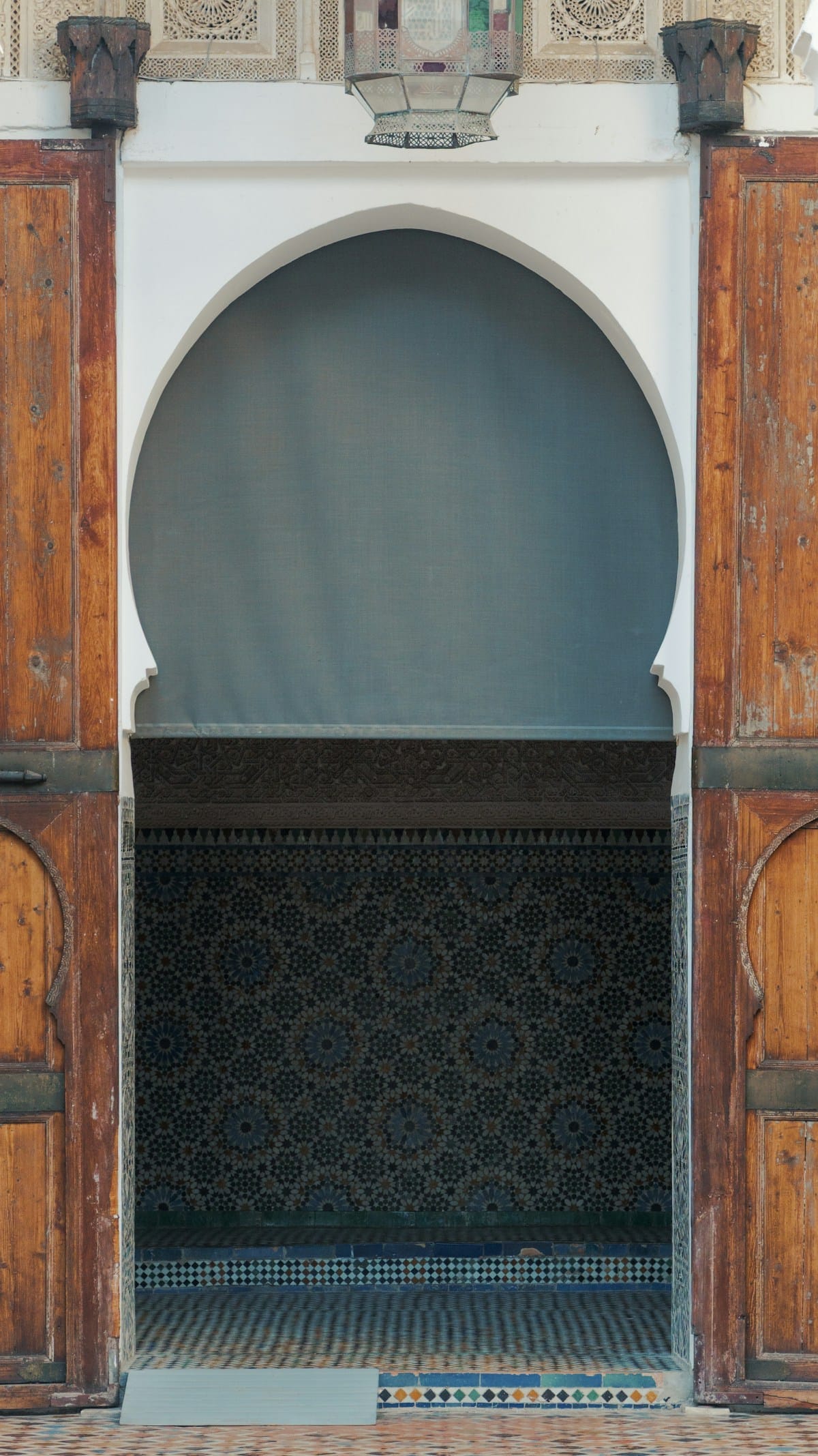
The hammam - the traditional North African steam bath - is one of the most authentic experiences available in Tunisia. Present in almost every neighbourhood of every city, it has played a central social and hygienic role in Tunisian daily life for centuries. This guide covers how a Tunisian hammam works, what to bring, the etiquette to follow, and the best options for foreign visitors.
What Is a Tunisian Hammam?
The Tunisian hammam (بيت البخار, beit el-bkhar, meaning “house of steam”) is structured around several rooms of increasing temperature. The entrance room (el-barrani) is a cool changing area where you undress and store your belongings in a locker or cubicle. From there you move into a warm intermediate room (el-wastani), and then into the hot room (el-jwani) where temperatures reach 40–50°C. A central basin or wall taps provide both hot and cold water throughout.
The hammam experience centres on two main rituals: the kessa (a body scrub using a coarse krin mitt to remove dead skin) and a wash with savon beldi - traditional black soap made from olive oil - sometimes followed by a massage. Most hammams offer both services on-site, either carried out by an attendant (tayyab) or via a kit you use yourself in the room.
Neighbourhood Hammam or Tourist Hammam?
There are two types of establishment in Tunisia.
Neighbourhood hammams (the most common) are simple, functional places frequented primarily by locals. They are gender-segregated: men typically have access in the morning and afternoon, women in the afternoon and evening (hours vary by city and season). Prices are low - TND 2–5 for basic entry, plus TND 5–10 if an attendant performs the kessa. The decor is minimal but the experience is genuine.
Tourist or luxury hammams are found in hotels, riads, and wellness centres in the main cities. They offer full service packages (kessa, savon beldi, argan oil massage, ghassoul clay mask) in renovated surroundings, often mixed-gender with appointments. Prices range from TND 40–120 depending on the package. Comfortable and language-barrier-free, but less immersive.
Search hammam and spa experiences in Tunis
Search hotels in Tunisia on Booking.com
What to Bring
For a neighbourhood hammam, pack the following:
- Swimwear or bathing briefs (required in mixed hammams; recommended in all for first-time visitors)
- Shower sandals - the floor is hot and slippery
- Two towels (one to dry off, one to sit on)
- Shampoo and soap if you want to wash your hair
- A krin mitt (kessa glove) - available at the hammam entrance or in the souks for TND 1–3
- Savon beldi (black soap) - sold on-site or at the souk for TND 3–8 per bottle
Etiquette
A few unwritten rules apply inside every Tunisian hammam.
Relative quiet: The atmosphere is relaxed but not loud. Conversation is normal; shouting is not.
Modesty: In traditional neighbourhood hammams, men keep their bathing briefs on and women do the same. Full nudity is uncommon in Tunisian hammams - this is different from some Moroccan or Turkish bath traditions.
Don’t monopolise the taps: The central basins and wall taps are shared. Move between rooms as you get comfortable, and leave space for others.
Tipping: If an attendant (tayyab) has performed your kessa or massage, a tip of TND 2–5 on top of the posted price is expected.
Hydration: The hot room dehydrates you quickly. Drink water before entering and again when you come out. Don’t stay in el-jwani for more than 15–20 minutes at a stretch, especially on your first visit.
Best Hammams for Visitors
Tunis - Hammam Sidi Saad (Medina)
One of the oldest functioning hammams in the Tunis medina, a few lanes from the Great Mosque of Zitouna. Stone vaults and traditional tilework. Men’s hours typically 7am–1pm; women’s 1pm–7pm. Basic entry approximately TND 3; kessa by attendant around TND 8 extra.
Tunis - Dar El Jeld Hotel Hammam (Medina)
For a more comfortable introduction in a restored setting, the hammam at this boutique medina hotel is open to non-guests by appointment. Full service available: kessa, savon beldi, essential oil massage. Expect TND 60–100 for a full treatment. Book ahead.
Sousse - Hammam El Oued (Medina)
One of the most frequented by local residents in the Sousse medina, and accessible to foreign visitors - particularly men in the morning session. Entry TND 2–4. Staff speak Arabic and some French; the experience rewards a small amount of initiative but is manageable for first-timers.
Djerba - Hammam Sidi Ben Issa (Houmt Souk)
In the main town of Houmt Souk, several neighbourhood hammams welcome a mix of locals and curious visitors. Hammam Sidi Ben Issa is the most accessible. Entry TND 3–5.
Hammamet - Hotel Spa Hammams
In Hammamet, most large hotels offer hammam treatments in their spa facilities, open to non-guests by appointment. These tend to be fully mixed, air-conditioned, and packaged. Prices run TND 50–90 for a basic treatment but the experience requires no language negotiation and is genuinely relaxing.
After the Hammam
After a session, your skin will be clean and soft but mildly sensitised by the scrub. A few local habits are worth adopting.
Rest for 15–20 minutes in the cool entrance room before going outside. Tunisians typically drink mint tea or coffee after the hammam. Moisturise with argan oil or a simple lotion - the souks sell excellent local products at reasonable prices. Avoid direct sun for the first hour or two after an intensive kessa.
The hammam is one of the few spaces in Tunisia where travellers and locals genuinely share the same experience on equal terms. It takes minor effort to navigate on a first visit, but that effort pays off - it is a consistently remembered part of any trip.
Plan Your Trip
✈️ Book flights to Tunisia 🛡️ Get travel insurance 📱 Stay connected with an eSIM 🚗 Rent a car in Tunisia