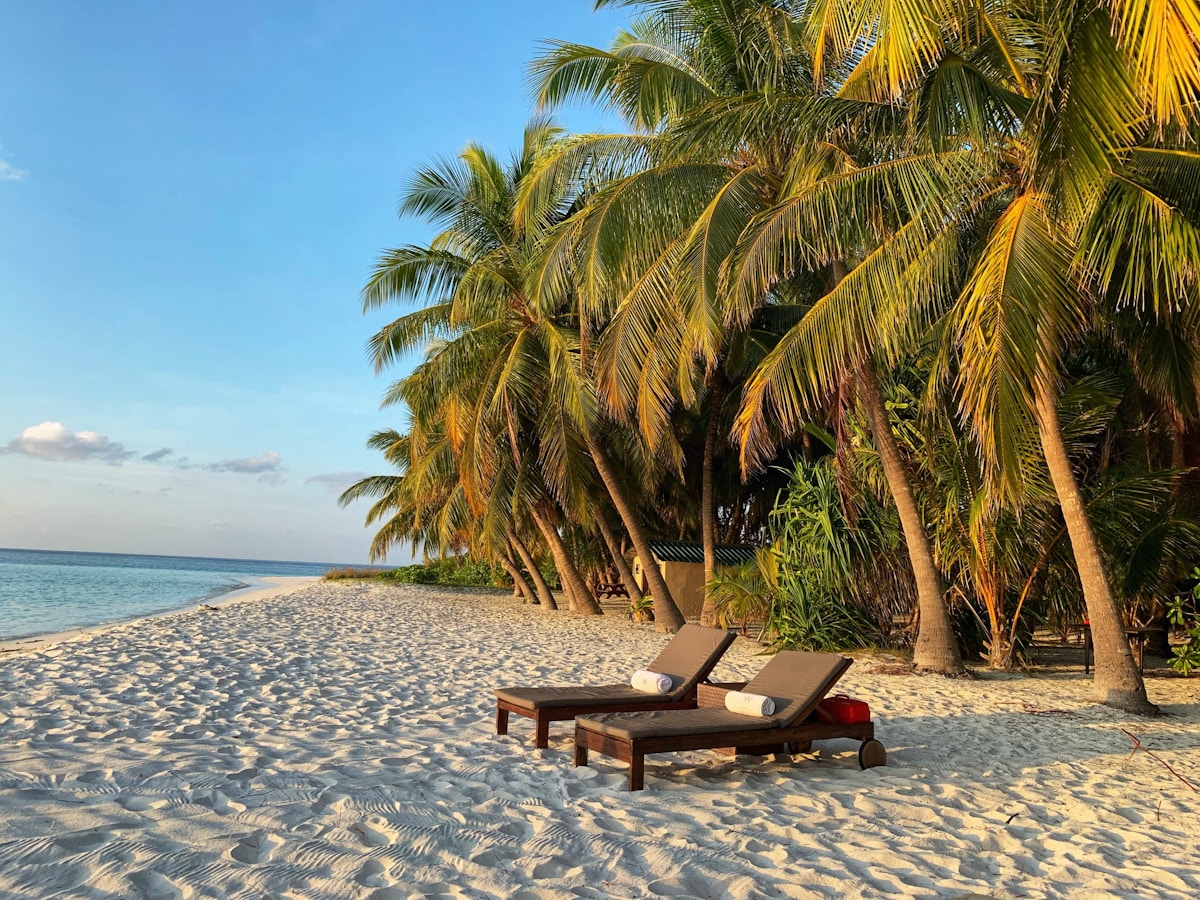
Tunisia’s Mediterranean coast runs roughly 1,300 km and the beach resort infrastructure is well-developed, particularly in four main areas: Hammamet, Sousse, Monastir, and Djerba. Prices are significantly lower than equivalent destinations in southern Europe - a week at a 4-star all-inclusive in Tunisia typically costs what three or four nights would cost in Greece or Spain. The beach season runs from May through October, with water temperatures reaching 25-27°C in peak summer.
What all-inclusive means in Tunisia
Tunisia was one of the earliest Mediterranean destinations to adopt the all-inclusive model, and the format is well-established. A standard all-inclusive package typically covers buffet breakfast, lunch, and dinner at the main restaurant; local alcoholic and non-alcoholic drinks at hotel bars (imported spirits usually cost extra); pool and beach access with sun loungers and parasols; and use of basic facilities like the pool, fitness room, and sometimes a hammam.
Where Tunisian all-inclusive resorts differ from more expensive European equivalents: the buffet food is usually decent but not gourmet, the drinks selection leans heavily on local beer (Celtia) and Tunisian wine, and the evening entertainment can be hit-or-miss. The trade-off is the price - a good 4-star all-inclusive runs 150-300 TND (roughly 45-90 EUR) per person per night depending on the season and hotel, which represents strong value.
Hammamet - Yasmine Hammamet
Hammamet is the most established resort area in Tunisia and the easiest to reach from Tunis (about 1 hour by car or 1.5 hours by train to Hammamet Sud). The resort zone splits into two areas: Hammamet centre, where older hotels sit near the medina, and Yasmine Hammamet, a purpose-built resort district 10 km south with a marina, waterpark, and a higher concentration of newer hotels.
Yasmine Hammamet is where most package tourists stay. The best hotels in this zone include:
- Iberostar Averroes - reliable 4-star all-inclusive with kids’ club, multiple pools, and evening entertainment. Rooms from approximately 200-350 TND (60-105 EUR) per night as of 2026. Strong for families. Iberostar Averroes
- Hasdrubal Thalassa & Spa - the premium end of Yasmine Hammamet with a well-regarded thalassotherapy centre, direct beach access, and refined dining. Rooms from approximately 400-650 TND (120-195 EUR) per night. Best for couples wanting a spa-focused beach stay. Hasdrubal Thalassa & Spa
- Royal Azur - large, well-run all-inclusive with direct beach access, water slides, and a lively atmosphere. Rooms from approximately 250-450 TND (75-135 EUR) per night. Good for families and groups. Royal Azur
- Iberostar Selection Royal El Mansour - five-star all-inclusive with extensive grounds, three pools, and a kids’ club. Rooms from approximately 400-700 TND (120-210 EUR) per night. One of the most popular family choices in the zone.
- La Badira - adults-only boutique hotel on the beachfront in old Hammamet (not Yasmine), with contemporary design, a rooftop pool, and a more intimate atmosphere. Rooms from approximately 350-600 TND (105-180 EUR) per night. Best for couples who want beach luxury without the all-inclusive format. La Badira
Hammamet centre suits travellers who want to walk to the medina and prefer a less manufactured setting.
Best for: families, first-time visitors to Tunisia, couples (La Badira or Hasdrubal), anyone wanting easy access to Tunis and Carthage.
Sousse - Port El Kantaoui
Sousse combines resort infrastructure with a genuine city - the UNESCO-listed medina, the ribat fortress, and a busy working port are all within reach of the hotel zone. Port El Kantaoui, about 10 km north of Sousse centre, is a purpose-built tourist marina and resort area with an artificial harbour, a golf course, and a cluster of beach hotels.
Top options include:
- Mövenpick Resort & Marine Spa - five-star with direct marina access, multiple restaurants, a large pool area, and thalassotherapy spa. Rooms from approximately 350-550 TND (105-165 EUR) per night as of 2026. The top-end choice at Port El Kantaoui. Mövenpick Resort & Marine Spa
- Sousse Pearl Marriott Resort & Spa - dependable five-star all-inclusive with modern facilities, a large infinity pool, and direct beach access. Rooms from approximately 300-500 TND (90-150 EUR) per night. Sousse Pearl Marriott Resort & Spa
- Iberostar Selection Kantaoui Bay - four-star all-inclusive with a strong family offering, kids’ activities, and a well-maintained beach area. Rooms from approximately 250-400 TND (75-120 EUR) per night. Iberostar Selection Kantaoui Bay
- Jaz Tour Khalef - large four-star resort with multiple pools, entertainment, and solid all-inclusive value. Rooms from approximately 200-350 TND (60-105 EUR) per night. Good budget-to-mid-range option. Jaz Tour Khalef
The advantage over Hammamet is that Sousse medina is a short taxi ride away (approximately 15 TND), giving resort guests genuine cultural content without needing to organise a full day trip.
Best for: travellers who want beach plus culture, couples, anyone who finds pure resort zones too quiet.
Monastir
Monastir is a smaller, more affordable alternative to Hammamet and Sousse. The beach strip runs along the Skanes area west of the town centre, near Habib Bourguiba International Airport. Hotels here tend to be older 3-star and 4-star properties offering strong value:
- Skanes Serail - four-star all-inclusive with direct beach access, pools, and a traditional Tunisian aesthetic. Rooms from approximately 150-250 TND (45-75 EUR) per night as of 2026. Skanes Serail
- Royal Kenz - four-star beachfront resort with a spa, multiple restaurants, and family-friendly facilities. Rooms from approximately 180-300 TND (55-90 EUR) per night. Royal Kenz
- Sahara Beach Aquapark Resort - three-star with water park facilities, making it a strong budget pick for families. Rooms from approximately 100-180 TND (30-55 EUR) per night. Sahara Beach Aquapark Resort
Monastir is also the cheapest of the four main resort areas for all-inclusive rates, with 3-star packages sometimes available for under 100 TND per person per night in shoulder season.
Best for: budget-conscious travellers, families (Sahara Beach), short breaks, anyone flying into Monastir airport who wants minimal transfer time.
Djerba - Sidi Mahres beach
Djerba is the most distinctive beach option in Tunisia - an island with genuine character beyond the hotel zone. Stronger resort properties include:
- Radisson Blu Palace Resort & Thalasso Djerba - five-star with a large thalassotherapy centre, three pools, and direct beach access. Rooms from approximately 350-550 TND (105-165 EUR) per night as of 2026. Best for couples and spa-focused stays. Radisson Blu Palace Resort & Thalasso Djerba
- Hasdrubal Prestige Djerba - five-star with refined dining, a spa, and a quieter atmosphere than the larger resorts. Rooms from approximately 400-650 TND (120-195 EUR) per night. The premium option on the island. Hasdrubal Prestige Djerba
- Djerba Plaza Thalasso & Spa - four-star with a good thalassotherapy spa, pools, and a family-friendly setup. Rooms from approximately 250-400 TND (75-120 EUR) per night. Djerba Plaza Thalasso & Spa
- Seabel Rym Beach - four-star all-inclusive with a broad beach area and solid value. Rooms from approximately 200-350 TND (60-105 EUR) per night. Good for families on a moderate budget. Seabel Rym Beach
What separates Djerba from the mainland resorts is that the island has genuine character beyond the hotel zone. Houmt Souk, El-Ghriba synagogue, the Erriadh street art village, and the pottery workshops at Guellala are all within easy reach. The downside is the journey: reaching Djerba from Tunis requires either a flight (50 minutes) or a long drive south (6-7 hours plus the Jorf ferry).
Best for: travellers who want a slower pace, repeat visitors to Tunisia looking for something different, longer stays of a week or more.
Tabarka - the coral coast
Tabarka, on Tunisia’s far northwest coast near the Algerian border, is the least-known resort option and the most scenically interesting. Les Mimosas and Hotel Itropika are among the few resort-style options; the infrastructure is less developed than the other areas.
Best for: divers, nature-oriented travellers, anyone who wants a beach stay away from the main tourist zones.
When to book
July and August are peak season - European (especially French and German) package tourists fill the main resort areas, prices peak, and the best hotels sell out weeks in advance. For the best combination of price, weather, and availability, book for May-June or September-October. These shoulder months have reliable 28-32°C weather, warm sea temperatures, and rates 30-50% lower than peak summer. Winter stays (November to March) are available at heavily discounted rates but many resort facilities reduce their hours and the sea is too cold for swimming.
For a guide to each beach’s water conditions, sand quality, and facilities, see Best Beaches in Tunisia. For comparison guides between the main coastal options, see our Hammamet vs Djerba vs Sousse guide and Djerba vs Monastir comparison. Pre-booking a Tunisia airport transfer avoids the negotiation and overcharging that is common from the taxi rank at Tunis-Carthage.