The louage from Tunis to Gabès covers around 400 kilometres in 3 hours 30 minutes to 4 hours, making it one of the longest direct louage runs in Tunisia. Gabès is more than a destination in its own right: it is the principal junction for southern travel. Nearly every traveller heading to Djerba, Matmata, or Tataouine passes through, and the connections available from Gabès station make it one of the most strategically useful stops on the network.
The right station: Moncef Bey
All long-distance southbound louages from Tunis depart from Moncef Bey station, the capital’s main terminal for central and southern routes. It sits around 4 kilometres south of the medina. The easiest way to reach it from a central hotel is by taxi, which costs around 5-8 TND. From central Tunis, the metro can also get you close, though a taxi is quicker with luggage.
Moncef Bey handles a large number of routes simultaneously. Vehicles for Gabès, Sfax, Sousse, and Kairouan all depart from different bays within the same compound. On arrival, look for signs reading “Gabès” or ask a station worker to point you toward the right vehicle. French works at the booth and with drivers; the name “Gabès” is understood without further explanation.
Do not go to Bab Alioua, which serves the Cap Bon peninsula, or Bab Saadoun, which covers the northwest. Both are in entirely different parts of the city.
Fares and payment
The fare from Tunis to Gabès is 22-26 TND per seat as of 2026. Cash only. Have small notes available before boarding, as drivers rarely carry change for large bills. At Moncef Bey, some bays have a ticket booth with a price board; if not, confirm the fare before taking your seat.
There is no reservation or advance ticket system. You pay on the day and wait for the vehicle to fill.
Timing and waiting
The Tunis–Gabès louage is a major long-haul route, and vehicles fill consistently through the morning. The best departure window is 7am to 10am: vehicles fill quickly, wait times are short, and you arrive in Gabès before the afternoon heat peaks. Travelling before 9am gives you the most flexibility if you need to continue onward to Djerba or Matmata the same day.
After noon, services become less frequent. Afternoon departures can mean waiting 40-60 minutes for a vehicle to fill. On this route, arriving after 3pm risks missing the last direct vehicle of the day. If you are connecting onward from Gabès to Matmata or elsewhere in the south, a morning arrival in Gabès is especially important: onward services thin out in the afternoon.
If you have a fixed schedule — a ferry to Djerba, a hotel check-in — consider a private transfer in Tunisia instead of relying on the louage.
The route
The louage south from Tunis follows the main A1 motorway, passing through or near Hammamet, then Sousse, before continuing south toward Sfax and on to Gabès. The vehicle does not stop at intermediate towns unless the route passes through them on the way to smaller regional hubs. For the direct Tunis–Gabès service, the route is largely non-stop apart from occasional informal petrol station breaks at the driver’s discretion.
At around 4 hours, this is one of the longer direct routes in the network. Bring water and something to eat. The louage does not stop at service stations, and there are no on-board facilities.
Arriving in Gabès
The louage drops you at the Gabès station near Avenue Habib Bourguiba, the town’s main commercial street. The station is compact and straightforward to navigate. Taxis wait outside for connections to hotels or other parts of the city; a short taxi ride to most accommodation costs 3-5 TND.
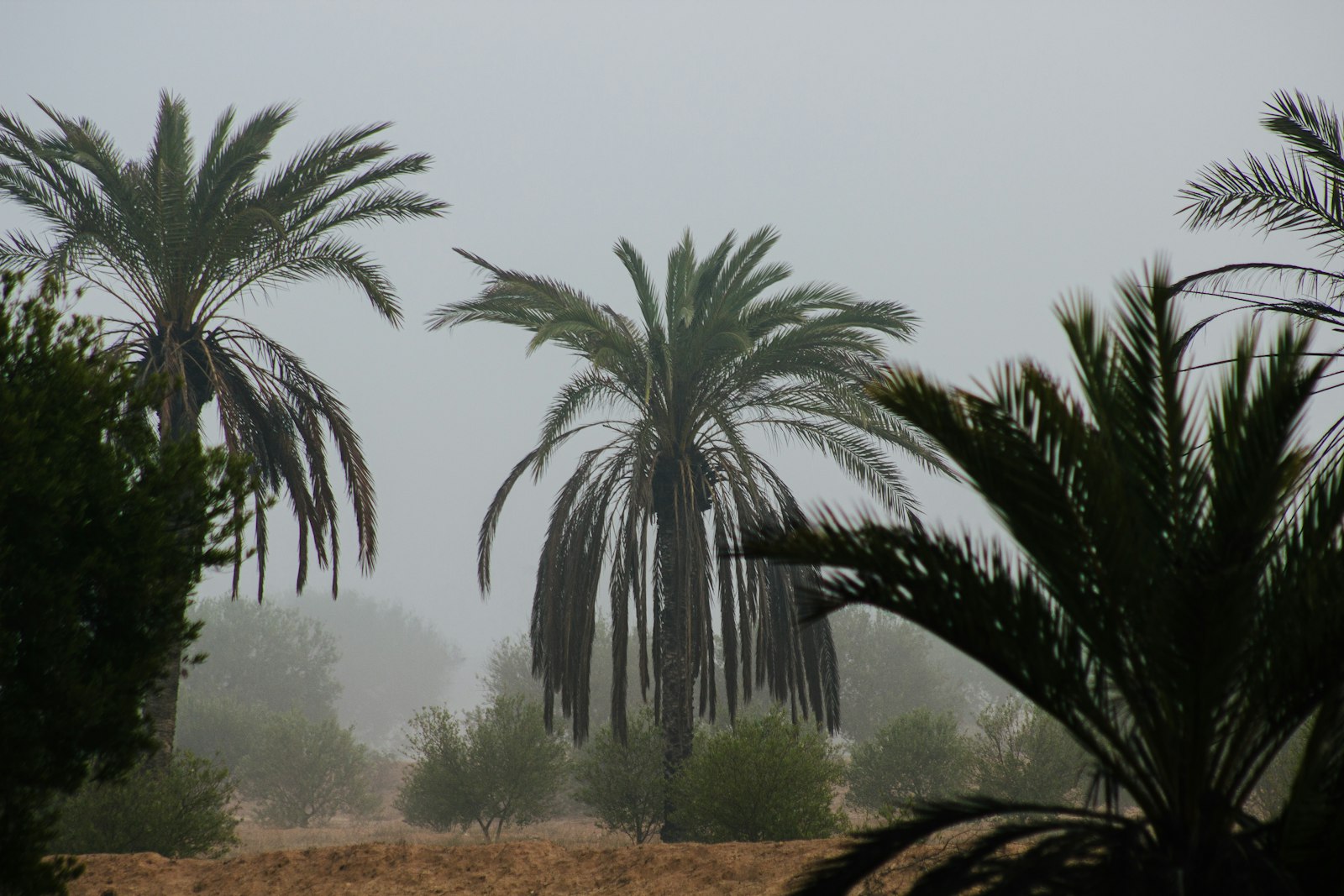
Gabès itself has a small medina, a notable palm-grove oasis (one of the few coastal oases in the world), and a beachfront area. Many travellers use it as an overnight stop on a longer southern itinerary rather than as a destination in itself. The town has enough options to spend a night comfortably, and it is worth walking through the oasis district in the late afternoon.
Onward connections from Gabès
Gabès is the central transfer point for southern Tunisia. From the same station or immediately adjacent, you can pick up louages to:
| Destination | Fare | Time |
|---|---|---|
| Djerba (via Jorf ferry) | 10-14 TND | ~1h15-1h30 |
| Matmata | 5-7 TND | ~45 min |
| Tataouine | 10-14 TND | ~1h15 |
| Sfax (northbound) | 10-12 TND | ~1h30 |
| Medenine | 7-9 TND | ~45 min |
| El Hamma | 3 TND | ~20 min |
The most important connection is Djerba. There is no direct louage from Tunis to Djerba. The standard route is Moncef Bey to Gabès, then a second vehicle from Gabès to Djerba via the Jorf-Ajim car ferry. The ferry itself takes around 15 minutes and is free for foot passengers; louages typically drive onto the ferry or passengers cross on foot and transfer to a waiting vehicle. Allow a short gap between arrival at Gabès and the onward departure to locate the Djerba vehicles.
For Matmata, the Gabès connection is easy: short journey time, frequent departures, and the route is well established for travellers visiting the troglodyte houses. Aim to leave Gabès for Matmata before 1pm to allow enough time at the site before vehicles stop running back.
Search hotels in Gabès on Booking.com
Gabès station tips
The Gabès station handles a high volume of connecting passengers. A few things to know:
Confirm the onward vehicle before resting. If you are connecting to Djerba or Matmata, find the vehicle and confirm your seat before sitting down for a break. Vehicles can fill quickly.
Gabès to Djerba: two legs, not one. The Jorf-Ajim ferry is part of the standard louage trip, but you will almost always need to change vehicles at the ferry. This is expected and normal.
No left-luggage at the station. There is no formal storage facility at Gabès louage station. Keep your bags with you if you step away to get food or use the facilities.
Timing for the Djerba ferry. The Jorf-Ajim ferry runs frequently through the day. Once you are in a Gabès-Djerba louage, the driver handles the crossing. The main risk is missing the afternoon Djerba departures if you arrive in Gabès after 2pm.
Tips for foreign travellers
Plan onward legs before you arrive. Gabès is a practical junction, not a tourist hub. If you arrive and need to continue south, knowing where the Djerba, Matmata, and Tataouine vehicles are saves time and reduces confusion in what can be a busy station.
Carry enough cash for two legs. If your itinerary goes Tunis-Gabès-Djerba, you will need to pay two separate fares: around 22-26 TND for the first leg and 10-14 TND for the second. Ensure you have enough small notes for both.
Bring water for the Tunis-Gabès stretch. At 4 hours, this is a long ride. The vehicle is not air-conditioned on all services, and summer temperatures can make an unbroken 4-hour ride uncomfortable without water.
Hotel options in Gabès are limited but adequate. If you are stopping overnight, book ahead. Gabès has functional hotels clustered around the town centre, but the range is more limited than in Sfax or Sousse.
Alternatives to the louage
Train: SNCFT operates services on the Tunis–Sfax line, and with a change at Sfax you can continue to Gabès. The total journey is longer than the direct louage and requires a transfer, but trains are air-conditioned on express services and have fixed departure times. Useful if you prefer predictability.
Bus: SNTRI runs overnight buses to Gabès. For travellers who want to save a day of travel time or who find a 4-hour louage tiring, an overnight bus arrival in Gabès followed by an early morning onward connection can work well.
Private transfer: For groups, families, or travellers with tight schedules, a private transfer from Tunis to Gabès removes the wait and offers a direct door-to-door service. Private transfers in Tunisia cover this route with upfront pricing.
For the complete overview of the louage network including all routes and key hubs, see the louage guide for Tunisia.
Plan Your Trip
✈️ Book your flights to Tunisia 🛡️ Get travel insurance 📱 Stay connected with an eSIM 🚗 Rent a car