Search hotels in Tunisia on Booking.com
Ramadan is the most important month in the Islamic calendar, and in Tunisia - a Muslim-majority country - it brings noticeable changes to daily life, working hours, and the atmosphere in cities and towns. For travellers, it is a period that can be genuinely interesting or mildly inconvenient depending on where you are staying and what you had planned.
The short version: coastal tourist resorts function near-normally. The medinas and city centres change significantly. Iftar - the nightly meal that breaks the fast at sunset - is one of the most welcoming experiences available to visitors. And the shifting lunar calendar means the experience is different every year.
What Ramadan Is and When It Occurs
Ramadan is the ninth month of the Islamic (Hijri) calendar, during which Muslims fast from dawn to sunset - abstaining from food, drink, and smoking throughout daylight hours. The fast is broken each evening with the iftar meal, beginning with dates and water, traditionally followed by a rich spread of dishes shared with family and community.
Because the Islamic calendar is lunar, Ramadan falls approximately 10–11 days earlier each Gregorian year:
| Year | Approximate Start | Approximate End |
|---|---|---|
| 2025 | 1 March | 30 March |
| 2026 | 18 February | 19 March |
| 2027 | 7 February | 8 March |
| 2028 | 27 January | 25 February |
Exact dates are announced officially based on the moon sighting - typically 1–2 days before the month begins. The Tunisian authorities and religious bodies make the official announcement. Check current sources for confirmed dates in the year you are travelling.
Ramadan coincides with the peak of beach season in some years (it has fallen in July and August in recent cycles). When this happens, the contrast between the busy coastal resorts and the quieter medinas is particularly striking.
Restaurant Hours and Food Availability
This is the practical question most travellers ask first, and the answer depends heavily on where you are staying.
In tourist resorts (Hammamet, Sousse resort strip, Djerba beach hotels): Essentially no change from the visitor’s perspective. Hotels operate all-inclusive breakfast, lunch, and dinner on normal schedules. Resort cafés and restaurants remain open throughout the day. You will not struggle to find food.
In city centres and medinas (Tunis Medina, Kairouan, Sfax): Many local restaurants and cafés close during daylight hours. The closure pattern tends to be comprehensive - a street that normally has 10 cafés open may have only 2 or 3 operating between roughly 9am and 6pm. Fast food chains and tourist-oriented restaurants usually remain open. Grocery stores and supermarkets stay open for provisions.
At iftar time (sunset, typically between 5:30pm in winter Ramadans and 8pm in summer ones): The entire country transforms. Restaurants reopen, streets fill, families emerge, and the sound of the adhan (call to prayer) triggers a collective rush to the table. This is the most atmospheric time of day during Ramadan, and the hours immediately after iftar are some of the most lively you will experience in any Tunisian city.
For self-catering travellers: Supermarkets and the large Carrefour and Monoprix stores in Tunis operate through the day, though the hours may be shortened. Stock up on bread, fruit, and provisions in the morning if you want to eat at midday away from tourist areas.
Alcohol
Tunisia allows alcohol year-round. Ramadan does not change the legal status, but it changes practical availability.
What closes or reduces hours: Most neighbourhood convenience stores (épiceries) that normally sell beer and wine stop doing so during Ramadan daylight hours, or keep the alcohol shelves covered. Some bars in medinas and local neighbourhoods close entirely for the month.
What stays open: Hotels with international licences serve alcohol to guests without restriction. Tourist restaurants in coastal resorts continue to serve wine and beer with meals. Supermarkets in commercial zones typically continue selling packaged alcohol (though sometimes from a reduced display).
In practice: If you are staying in a hotel and eating in tourist restaurants, alcohol availability is largely unchanged. If you are staying in an independent apartment or riad in a medina and want to buy a bottle of wine from a corner shop, expect to have to search a bit more. The large supermarkets near tourist areas remain the most reliable source.
Beach and Resort Behaviour
Tunisia’s beach resorts are built for international tourism, and the Ramadan period does not suspend that function. Bikinis, alcohol by the pool, and mixed swimming remain normal in designated resort areas throughout the month.
Outside formal beach resorts - at municipal beaches, on public stretches of coast in smaller towns - it is respectful to dress slightly more modestly. A swimsuit is fine once you are in the water; walking along a local town’s seafront in swimwear at midday during Ramadan is the kind of thing that attracts disapproval. This is not unique to Ramadan, but the social context makes it more relevant in the month.
Iftar - The Breaking of the Fast
Sitting down for iftar with a Tunisian family or at a traditional restaurant is one of the most memorable experiences the country offers during this period. The meal follows a structured progression:
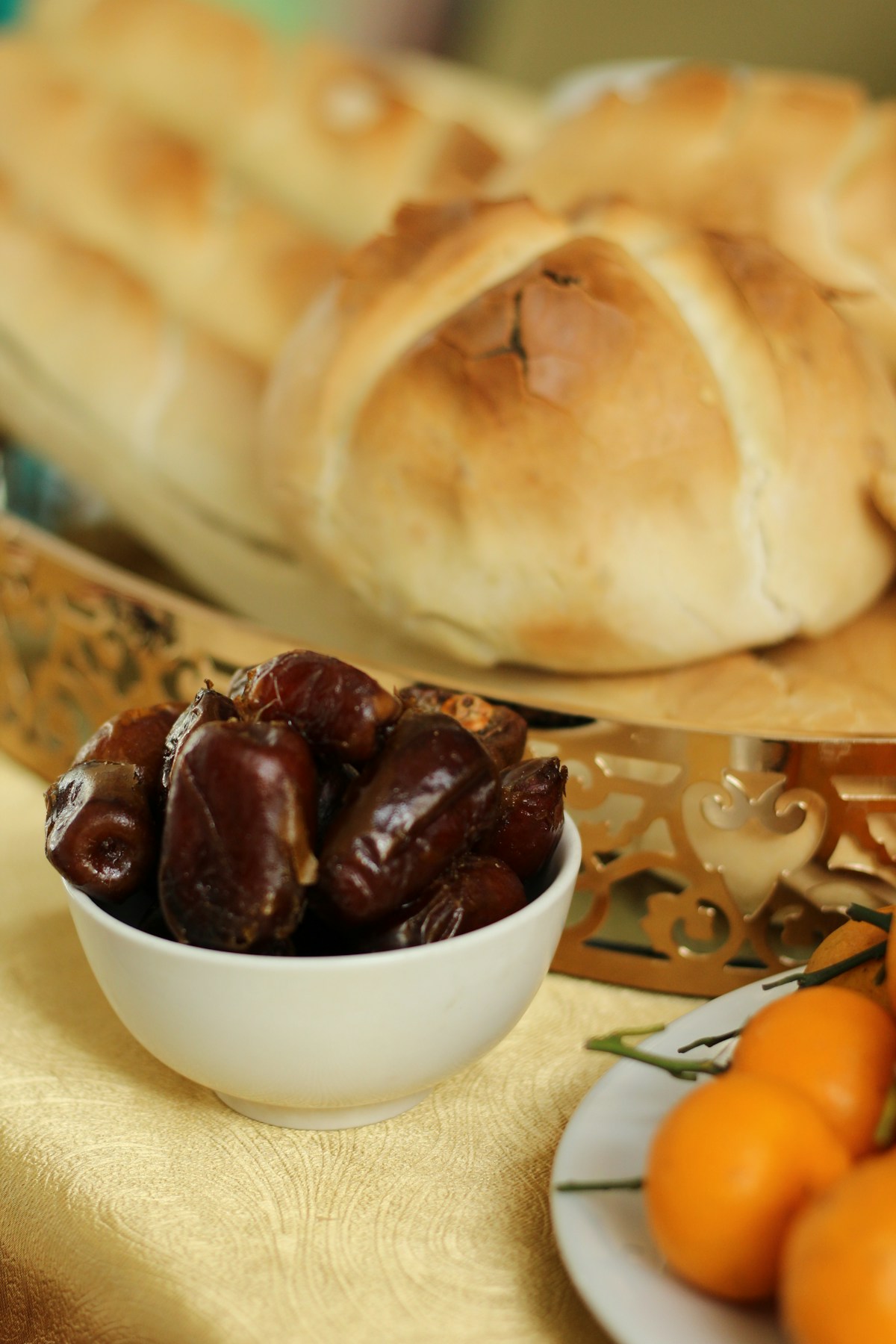
- Dates and water - the fast is always broken first with an odd number of dates (usually three) and a glass of water, following the tradition of the Prophet
- Harira or lablabi - a thick soup; harira is Moroccan-influenced (tomato, lentil, chickpea) and lablabi is Tunisia’s own (chickpea, cumin, harissa, stale bread)
- Brik - the fried pastry parcel with egg that appears on every Tunisian table, arguably more associated with Ramadan than any other meal
- Main dishes - couscous, lamb, merguez, salads; portions are typically generous
- Sweets - makroudh (date and semolina pastry), kaak warka (sesame rings), fruit
Many restaurants in Tunis and major towns offer a set iftar menu during Ramadan, usually priced at approximately 25–50 TND per person as of 2026. Bookings are advisable - popular restaurants fill completely in the 30 minutes before and after the adhan.
If you want to experience iftar without a formal restaurant, the medina food stalls of Tunis and Kairouan sell brik, lablabi, harira, and sweets from late afternoon, with queues forming around 30 minutes before sunset.
The Night-Time Economy
After iftar, Ramadan nights in Tunisia are long, social, and often very noisy by midnight. The first two hours after iftar tend to be a family meal. Then streets fill again - souks and shops that were half-asleep all day reopen and stay open until 2am or later. Cafés serving shisha fill up. Street musicians and street food vendors operate until well past midnight.
For travellers, this is a genuine opportunity to see Tunisian social life at its most communal. The night markets in the medinas of Tunis, Sousse, and Kairouan become particularly animated. Sidi Bou Said at night during Ramadan - the cliffside café district lit up, the sounds of traditional music drifting from open windows - is a specific atmosphere worth seeking out.
The trade-off is that mornings during Ramadan can be quiet and slow. Many businesses that stay open late do not open until midday. Official sites may run reduced hours. Plan morning activities around what is actually confirmed to be open rather than assuming normal operation.
Suhoor - The Pre-Dawn Meal
The other meal of the Ramadan day is suhoor, taken before sunrise to sustain the fast. This is primarily a domestic meal, but in the medinas you will hear the sound of a Ramadan drummer (msaharati) walking through the streets in the pre-dawn hours to wake families for suhoor - a tradition still practised in older quarters of Tunis, Kairouan, and Sfax. If you are a light sleeper in a riad near the medina, this is worth knowing about.
What Stays Open Throughout Ramadan
- All tourist hotels
- All international chain restaurants and fast food
- Major supermarkets (Carrefour, Monoprix, Géant)
- UNESCO and archaeological sites (Carthage, El Jem, Dougga) - normal hours
- Museums and galleries
- Airport and transport services
- Beaches and resort facilities
Practical Advice for Visitors
Respect in public: Avoid eating, drinking, or smoking in busy local streets, markets, and medinas during daylight hours. This is a courtesy, not a legal requirement for non-Muslims.
Cash: Banks may operate shorter hours during Ramadan. Stock up on cash before the holy month begins if you are in smaller towns.
Transport: Louage (shared taxi) networks operate, but intercity departure times may be adjusted around iftar. Drivers observe the fast and often stop at prayer time.
Dress: Slightly more conservative dress in non-resort areas is appreciated, particularly in cities and near mosques. This applies in any season but matters more in Ramadan.
Medical exemptions: Tourists are never expected to fast. Eating discreetly in tourist-oriented spaces is completely acceptable throughout the day.
For current Ramadan dates, the Habous Ministry of Tunisia publishes official announcements on its website each year. International Islamic date calculators (such as IslamicFinder) provide advance estimates but exact dates remain subject to moon sighting confirmation.
For help planning around Ramadan, see our best time to visit Tunisia guide for how the timing affects different months across the year. If this is your first trip, our first time in Tunisia guide covers what to expect on arrival, costs, and how to get around. A Tunisia eSIM is practical for Ramadan visits - data access makes it easier to check iftar times, find open restaurants, and navigate changing schedules.
Plan Your Trip
✈️ Book your flights to Tunisia 🛡️ Get travel insurance 📱 Stay connected with an eSIM 🚗 Rent a car