Tipping is a recognised part of daily life in Tunisia, but it works differently from countries where a percentage tip is culturally mandatory. There is no standard tipping norm imposed on visitors, no automatic service charge added to bills in most places, and no social awkwardness if you choose not to tip. At the same time, tips are genuinely appreciated - tourism and hospitality workers earn modest base wages, and a small amount given thoughtfully goes a long way.
This guide covers where tipping is expected, where it is optional, and what amounts are reasonable - without overpaying in situations where locals would not tip at all.
Quick-Reference Tipping Table
Exchange rate used: approximately 3.1 TND = 1 USD (as of 2025). Amounts are approximate.
| Situation | Typical tip (TND) | Approx. USD | Notes |
|---|---|---|---|
| Sit-down restaurant | 5–10% or round up | $0.60–$3+ | Cash, hand directly to server |
| Café / street food | Round up or small coin | under $0.50 | Not expected, always welcomed |
| Taxi (metered) | Round up to nearest dinar | $0.30–$0.65 | Agree fare in advance for non-metered |
| Taxi (agreed fare) | Nothing obligatory; 1–2 TND if good | $0.30–$0.65 | After the journey, never before |
| Airport transfer / driver | 5–10 TND | $1.60–$3.20 | Higher for longer trips |
| Hammam (attendant) | 3–5 TND | $1–$1.60 | Given after your session |
| Hotel housekeeping | 2–5 TND per night | $0.65–$1.60 | Left in room daily or at checkout |
| Hotel porter | 2–3 TND per bag | $0.65–$1 | Handed directly |
| Barber / hair salon | 2–5 TND | $0.65–$1.60 | After payment; not always expected |
| Tour guide (half-day) | 10–20 TND | $3.20–$6.50 | More for a particularly good guide |
| Tour guide (full-day) | 20–40 TND | $6.50–$13 | Per person; group tours give less per head |
| Medina guide (independent) | 10–20 TND | $3.20–$6.50 | Negotiate access fee beforehand |
| Spa/massage (hotel) | 5–10 TND | $1.60–$3.20 | If not on an all-inclusive plan |
Restaurants
In sit-down restaurants, a tip of 5–10% of the bill is a reasonable guideline - though many Tunisian diners simply round up to the nearest convenient amount rather than calculating a percentage. On a bill of 48 TND, leaving 50 TND is common; on 75 TND, leaving 80–85 TND is appropriate.
Cash is strongly preferred. Even in restaurants that accept cards for the main bill, tips handed to the server in cash are more reliable - card tip lines are not standard on Tunisian receipts, and even when present, the money may not reach the server directly. Always leave the tip on the table or hand it directly to the person who served you.
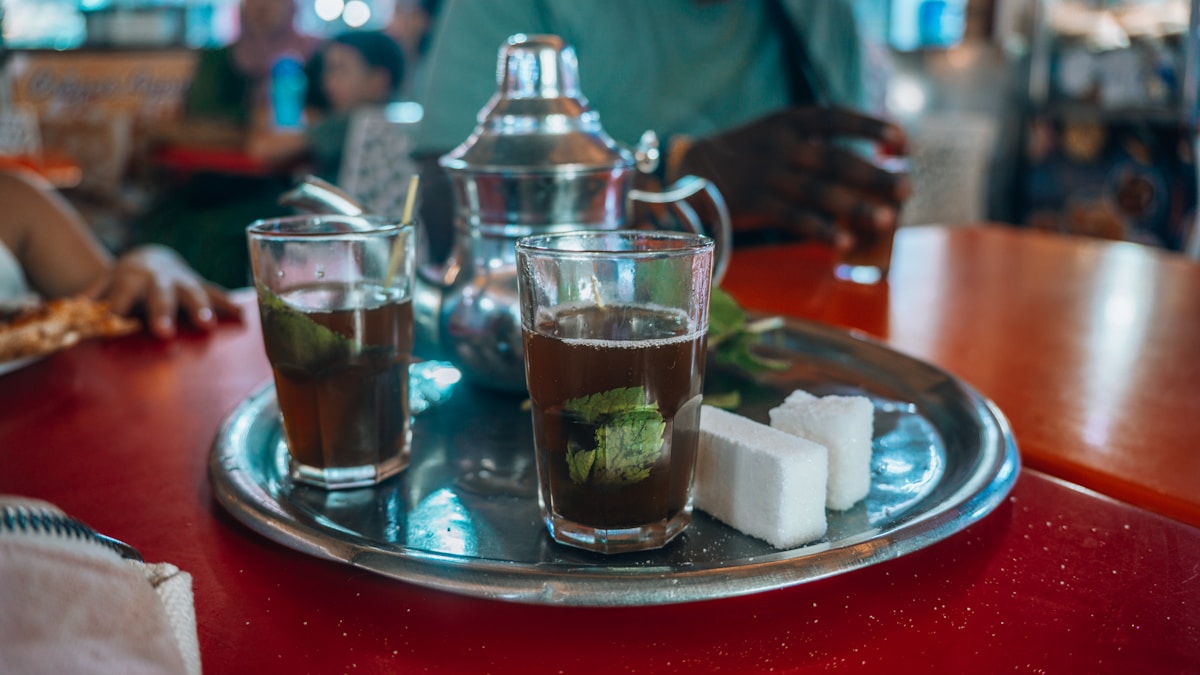
Tipping is optional in cafés, juice bars, and street food spots, but leaving a small coin - 0.5 or 1 TND - is a normal and friendly gesture. No one expects it, but it is never refused.
In medina restaurants, tourist-facing eateries, and resort hotel dining rooms, the assumption that foreigners will leave something extra is built in. This does not mean you are obligated to tip on top of already elevated prices, but if the service was attentive, 5% is fair.
Taxis
Metered taxis: For short city journeys, simply round up to the nearest dinar or add 1–2 TND. On a meter reading of 4.3 TND, paying 5 TND is standard. Drivers do not expect more than rounding up.
Agreed-fare trips: For longer journeys or trips negotiated in advance (common from airports to hotels, or cross-town), the agreed price is the price - no additional tip is expected. If the driver helped with luggage, assisted with directions, or the trip was notably smooth, 2–3 TND extra is appreciated.
Airport transfers and private drivers: For pre-booked airport transfers (often booked through Kiwitaxi or similar), 5–10 TND is appropriate for a standard airport run. For day-long driver services, 20–30 TND at the end of the day is fair.
A note on fare disputes: always establish whether a metered taxi is going to use the meter before getting in. If the meter is not running, agree on a price before departing. Tipping is less relevant when the fare negotiation was already contested.
Hammams
Hammams (traditional steam baths) are common across Tunisia, from basic neighbourhood baths to more elaborate tourist-facing facilities. The entry fee covers the basic scrub and steam room, but the kessa (exfoliation mitt) attendant who performs the scrub typically earns a very modest wage. A tip of 3–5 TND handed directly to the attendant at the end of your session is normal and expected. At higher-end hammams charging 40–80 TND for a full treatment, a tip of 5–10% is appropriate. For hotel-quality hammam packages and spa experiences in Tunis, see hammam experiences on GetYourGuide.
Hotel Housekeeping
Leaving 2–5 TND per night for housekeeping is a good standard, either left daily on the pillow (most reliable) or as a single amount at checkout. At resort hotels with daily service, tipping daily ensures the right person receives it - turnover between housekeeping shifts means a checkout tip may not reach the staff who actually cleaned your room.
Search hotels in Tunisia on Booking.com
At budget guesthouses or riad-style accommodation, 10–20 TND left at the end of a multi-night stay is meaningful. Hotel porters who carry bags should receive 2–3 TND per bag.
Tour Guides
Guiding is one of the more tipping-dependent professions in Tunisian tourism. For a half-day tour (2–4 hours), 10–20 TND per person is appropriate. For a full-day private tour, 20–40 TND per person is a reasonable range, depending on the guide’s expertise and the quality of the experience. You can browse guided tours in Tunisia on GetYourGuide to get a sense of what a full-day private guide costs before budgeting for tips.
For group tours (bus or minivan style), individual tips are smaller - 5–10 TND per person per day is common, often pooled into a group tip at the end.
Medina Guides and Unofficial Helpers
Navigating the older medinas - particularly Tunis, Sousse, Kairouan, and Houmt Souk in Djerba - you may encounter unofficial guides offering to show you around. These can range from genuinely helpful locals to people running commission-based routes to shops. If you engage someone, agree on what you’re paying before starting. A typical guided medina walk of 1–2 hours is worth 10–20 TND.
If someone gives you unsolicited directions or a short amount of help (pointing out a street, helping translate), 1–2 TND is a courteous acknowledgement - not an obligation.
Barbers and Hair Salons
Barber shops and hair salons are common across Tunisian towns, and the service is typically inexpensive by European standards - a men’s haircut runs 8–15 TND in a local barbershop, more in tourist-area salons. Tipping is not obligatory, but 2–5 TND (roughly $0.65–$1.60) is a well-received gesture, especially if the barber spent time on the styling. Women’s hair services at urban salons tend to be priced closer to European rates, and tipping norms are similarly relaxed - if the service was good, 5–10% rounds things off appropriately.
Cash vs Digital Tipping
Tunisia is a predominantly cash economy at street level. Card payments are accepted in upmarket hotels, chain restaurants, and larger shops, but most tipping situations - taxis, hammams, street-food vendors, medina guides, barbers, and hotel housekeeping - are cash-only in practice. Even where cards are accepted for the bill, a tip added to a card payment may not reach the individual server.
Keep small-denomination notes on hand: 1 TND, 2 TND, and 5 TND coins and notes are the most practical tipping denominations. Getting change from a 50 TND note at a small café purely for tipping purposes is impractical.
Mobile payment apps and QR code tipping are not part of the Tunisian tipping landscape in 2025. Cash is the only reliable method.
Common Mistakes Tourists Make
Tipping in foreign currency. A few euro coins feel helpful to a visitor but are less useful to a local restaurant worker than the equivalent in dinar. Stick to Tunisian currency.
Overtipping and inflating local expectations. Leaving 20–30% in a mid-range restaurant is not normal here, and repeating this across a tourist area can create pressure for the next visitor. A fair tip reflecting the service is appreciated; an excessive one is not necessary.
Tipping before the service. Handing over money at the start of a taxi ride or tour introduces an awkward imbalance. Pay - and tip - after.
Assuming the service charge is included. Some tourist-facing restaurants add a “couvert” or service line to the bill. Read the bill before adding extra on top. If service is listed and already 10%, you are not obligated to add more.
Tipping unofficial guides through shops. If someone offers to guide you through the medina and then leads you into a carpet shop where they collect commission, the shop visit is the “tip.” You are not then obligated to pay extra in cash as well. Agree terms before starting.
Withholding tips over minor delays. Tunisian restaurant service often runs at a slower pace than northern European or North American norms. This is cultural rather than a service failure. If the food arrived and the experience was pleasant, the standard round-up applies.
Haggling, Tipping, and the Broader Context
Tipping exists alongside an active bargaining culture in Tunisia’s souks and markets. These are separate things. Haggling is normal and expected when buying goods; tipping is about acknowledging service. Confusing the two - for example, overtipping to avoid the awkwardness of haggling - is not necessary and can create unrealistic expectations for the next visitor.
Service workers in hospitality earn between 400 and 800 TND per month on average (roughly $130–$260 USD). A 5 TND tip on a 50 TND restaurant bill represents around 1% of a monthly wage - meaningful without being excessive. Tips should reflect the service genuinely given, not anxiety about cultural expectations.
Finally: tipping in cash (Tunisian dinar) rather than foreign currency is always preferable. Euro and dollar notes are not always easy to exchange at good rates at local level, and a few dinar are more immediately useful to a restaurant worker or hammam attendant than a crumpled euro note.