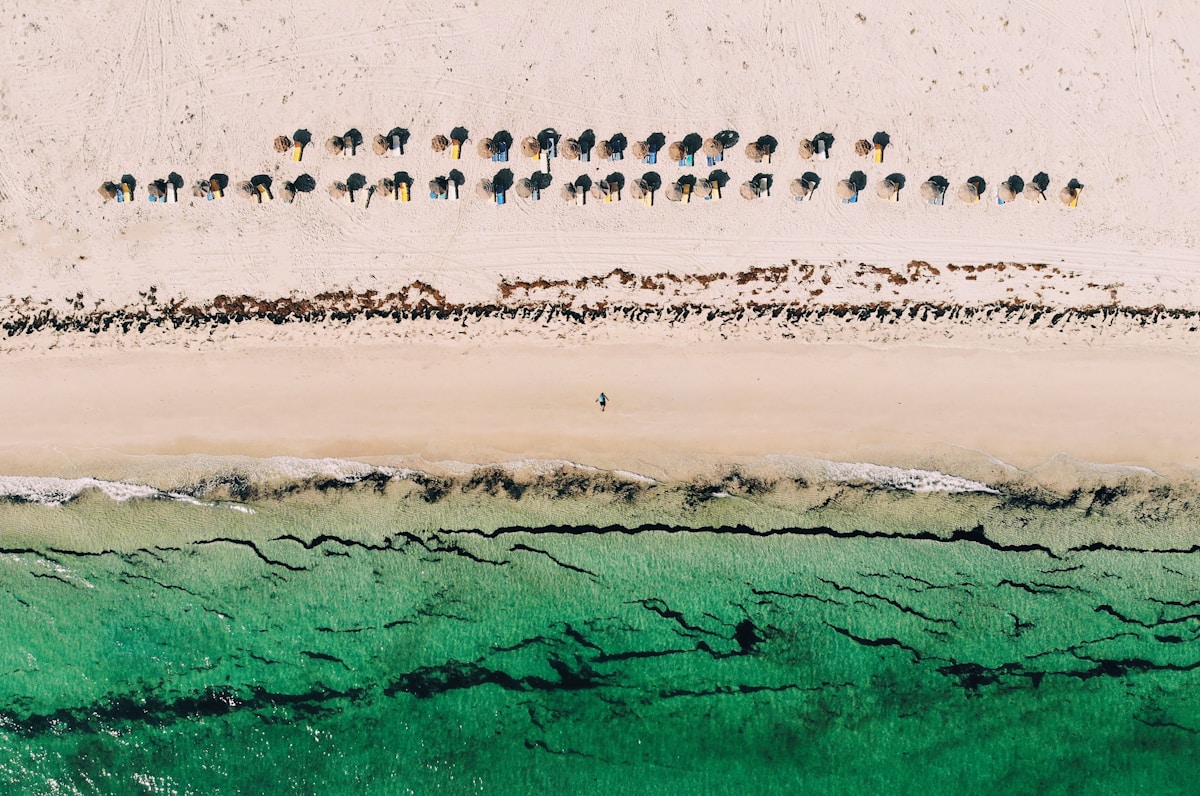
Tunisia officially launched its 2026–2030 Blue Economy tourism strategy on 18 May 2026, with Tourism Minister Sofiane Tekaya announcing a programme aimed at strengthening coastal wellness tourism, expanding marine recreation, and positioning Tunisia as a global leader in thalassotherapy.
The strategy builds directly on a national event hosted under the EU’s WestMED Initiative on 12 May in Tunis, where government representatives, private operators and environmental bodies adopted a 2026–2030 roadmap for sustainable coastal tourism. The plan addresses the core challenge facing Tunisia’s Mediterranean coastline: growing visitor numbers are coinciding with accelerating coastal erosion - measured at roughly 12 centimetres per year on some exposed sections - and the government is committing investment to climate-proof key resort zones.
What the strategy includes
The programme has three main pillars:
- Thalassotherapy and wellness: Tunisia already holds some of the highest concentrations of certified thalassotherapy centres in the Mediterranean, and the new roadmap targets further investment in sea-water therapy facilities at coastal resorts including Sousse, Hammamet and Djerba.
- Marine recreation: Water sports, guided kayaking, small-boat coastal tours and snorkelling experiences are to be regulated and expanded, giving independent travellers more structured options alongside resort packages.
- Coastal infrastructure: Seawall strengthening, beach stabilisation and hotel-facing climate resilience projects are planned for the most exposed stretches of coastline.
The wider tourism context
The strategy launch comes at an interesting moment for Tunisia’s season. The country has passed 11 million international arrivals in 2026, with the UK having become the top source market for the first time, overtaking France and Russia. Revenue stood at approximately 1.8 billion dinars (around €540 million) by late April - well ahead of the same period last year.
However, rising flight costs linked to regional tensions elsewhere in the Mediterranean have complicated the outlook for some resorts, particularly Djerba, where charter operators have adjusted capacity. The Blue Economy strategy represents a deliberate push to broaden the quality and range of Tunisia’s coastal offer beyond standard beach packages, building resilience against market fluctuations.
Visiting this season
May through June remains one of the better windows to visit Tunisia - warm without peak summer heat, and with lower crowd levels than July and August at major sites and resorts. Our Tunisia travel information hub covers entry requirements, currency, local transport and safety in one place. For airlines and direct route options, the flights to Tunisia guide covers the main markets. Browse tours and activities in Tunisia to plan your time on the ground. The southern coast around Sousse and Djerba continues to be well-served by direct flights from the UK and mainland Europe.