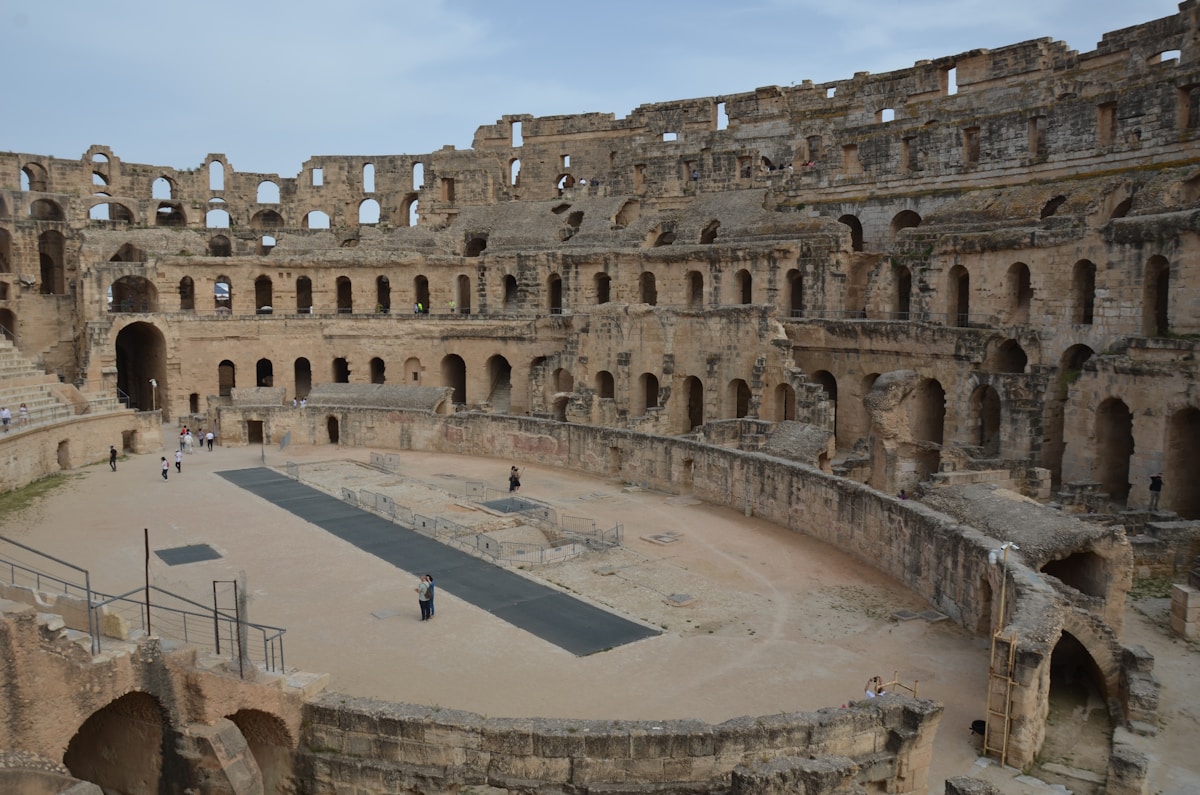
This summer marks a milestone for Tunisia’s cultural calendar: the International Festival of Carthage enters its 60th edition, continuing an unbroken run of performances at the UNESCO-listed Roman amphitheatre in the coastal suburb of Carthage since the festival launched in 1964. The 2026 edition opened on 16 July, with performances running through late August, drawing international acts across music, theatre, dance and opera against one of the most dramatic open-air settings in the Mediterranean. The anniversary programme expanded with additional nights and a larger international roster than recent editions.
The anniversary edition arrives at a strong moment for Tunisian tourism. The country has already surpassed 11 million international visitors in 2026, with tourism revenues reaching approximately 1.83 billion dinars in the first four months of the year - a pace that points to the strongest full-year performance since before the pandemic. British arrivals are among the sharpest growth markets, with flights to Djerba up roughly 12% year-on-year as UK travellers seek quieter Mediterranean alternatives to overcrowded Spanish and Greek resorts.
Getting to Carthage from Tunis
Carthage is around 20 kilometres north of central Tunis and straightforward to reach by public transport. The TGM light rail line runs from Tunis Marine station through to La Marsa, stopping at Carthage Dermech and Carthage Hannibal along the way - the journey takes roughly 45 minutes. Evening services continue well past midnight during the festival period. If driving, parking near the venue fills quickly on performance nights; the TGM is the more reliable option.
Planning around the festival
Tickets for individual performances go on sale through Teskerti.tn, Tunisia’s main online ticketing platform, and at Tunis box offices. Demand for headline shows - typically regional music legends, classical ensembles and occasional international crossover acts - sells out within days of going on sale. Accommodation in Tunis and along the coast between La Marsa and Sidi Bou Saïd fills fast during peak concert weekends; booking six to eight weeks in advance is advisable for July dates. Search hotels in Tunis to secure availability before demand peaks.
The amphitheatre itself holds roughly 8,000 spectators. It is open-air and carved into a hillside, with stone seating throughout - bring something to sit on if your ticket is in the upper tiers. Evening temperatures in July average around 24–26°C, comfortable for the duration of most performances.
The wider summer festival circuit
The Carthage event is the centrepiece of a busy summer circuit. The International Festival of Hammamet runs roughly five weeks from July, staged at the Hammamet Cultural Centre with a theatre and music programme. Sousse hosts its own multi-disciplinary festival in parallel. For first-time visitors combining a beach stay with cultural events, Hammamet sits within an easy train or louage journey of Tunis and offers direct access to both resort beaches and the festival venue.
The Carthage site is also worth visiting independently of the performances. The Carthage ruins and archaeological highlights - including the Punic ports, the Tophet, and the hilltop Byrsa district - can be explored on a half-day self-guided walk. For guidance on timing, regional transport options and what to expect across different parts of the country in summer, our best time to visit Tunisia guide covers the full picture. Find tours and guided visits at the Carthage site to complement your festival experience.