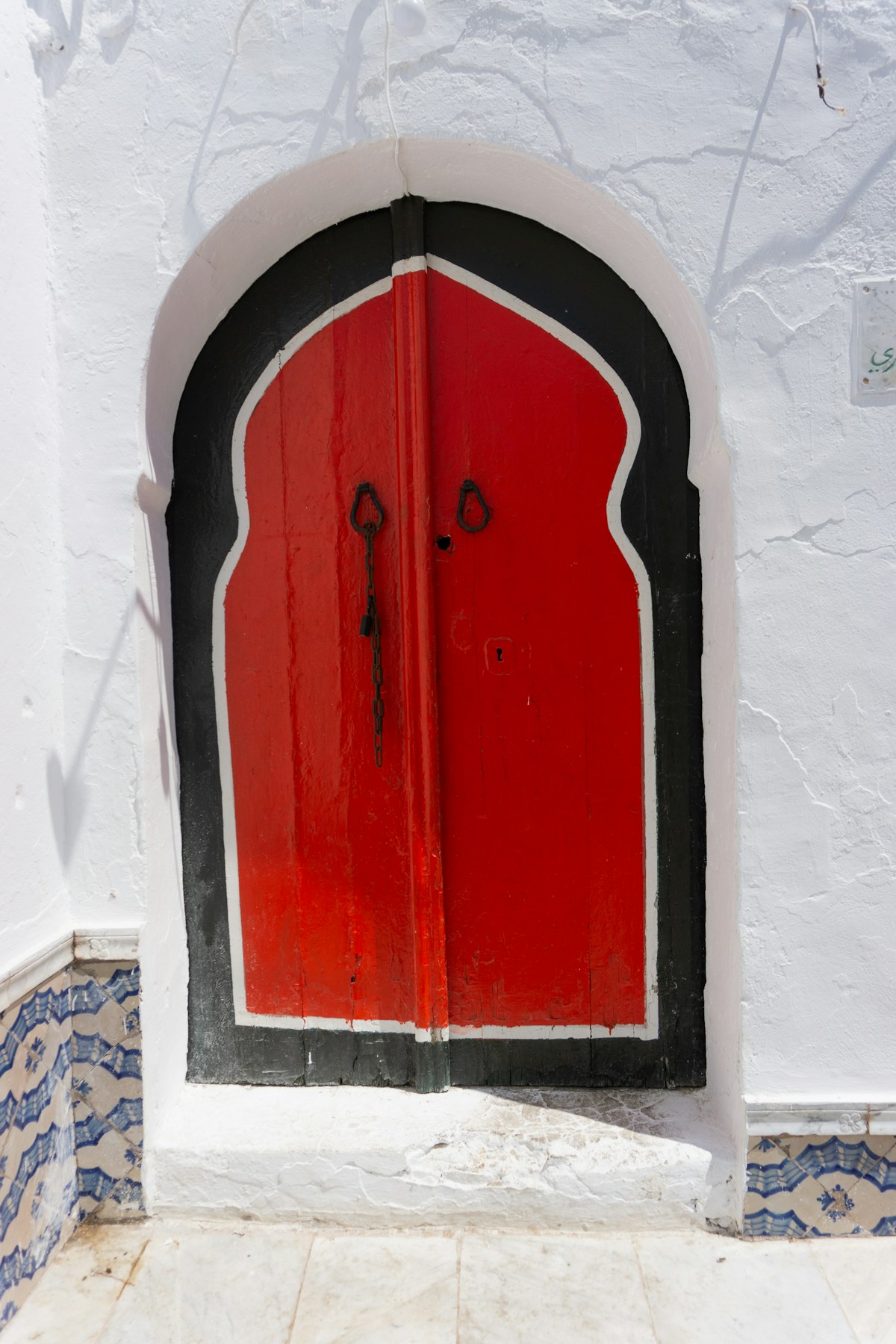
The cliffside village of Sidi Bou Saïd has been inscribed on the UNESCO World Heritage List in its own right. The decision was adopted unanimously on 25 July 2026 at the 48th session of the World Heritage Committee, held in Busan, South Korea. It becomes Tunisia’s tenth World Heritage Site and the country’s first dedicated listing for a coastal village.
What Changed
Until now, Sidi Bou Saïd sat within the boundary of the Archaeological Site of Carthage, which has been a World Heritage Site since 1979. The new inscription gives the village its own entry — its own boundary, its own buffer zone, its own management plan, and its own reporting obligations to the World Heritage Centre in Paris.
The committee recognised the village for three distinct qualities: its architectural harmony, its spiritual heritage, and its Mediterranean coastal character. The blue-and-white aesthetic — indigo-painted doors and shutters set against whitewashed walls — is one of the most photographed streetscapes in North Africa, and the inscription confirms its outstanding universal value as a living settlement rather than purely an archaeological site.
The Village and Its Name
Sidi Bou Saïd takes its name from Abu Said al-Baji, a 13th-century Sufi scholar and musician whose tomb sits at the heart of the village. The site has been a place of pilgrimage and contemplation for centuries. That active spiritual life — a working mausoleum, a resident community, regular Sufi gatherings — was cited in the committee’s evaluation as evidence that the village retains the living heritage the listing is intended to protect.
Practical Impact for Visitors
UNESCO status brings international attention, and visitor numbers to Sidi Bou Saïd were already rising ahead of the inscription. The village is located 20 km north-east of Tunis city centre, reached in roughly 35 minutes by the TGM light rail from the Tunis Marine station.
A few practical points for 2026 and beyond:
- Timing: the village is compact, and the main cobbled lane becomes crowded by mid-morning. Arriving before 9 am or after 4 pm gives a much quieter experience.
- Café des Nattes: the terrace café at the top of the main street remains the classic vantage point over the Gulf of Tunis. Prices reflect its popularity — budget around 15–20 TND for a mint tea and a pastry.
- Photography: the village is exceptionally photogenic in the early morning light. Many of the painted doorways face east or south, so morning light is generally better.
The village pairs naturally with a visit to the Carthage ruins a few kilometres along the coast — the TGM stops at both. Our full Sidi Bou Saïd guide covers what to see, where to eat, and how to fit it into a wider Tunis itinerary.
Tunisia’s Heritage Portfolio
With this inscription, Tunisia now has ten UNESCO World Heritage Sites, a collection that spans Punic archaeology at Carthage, Roman amphitheatres at El Jem, Islamic architecture at Kairouan, and troglodyte landscapes at Matmata. Sidi Bou Saïd adds a rare Ottoman-era coastal settlement to that range, and the combination makes a compelling case for Tunisia as a multi-day heritage destination rather than simply a beach holiday.
The inscription is unlikely to change the village overnight, but the increased international profile — and the management obligations that come with it — should help Tunisia balance visitor growth with the conservation of the residential community that gives the place much of its character.