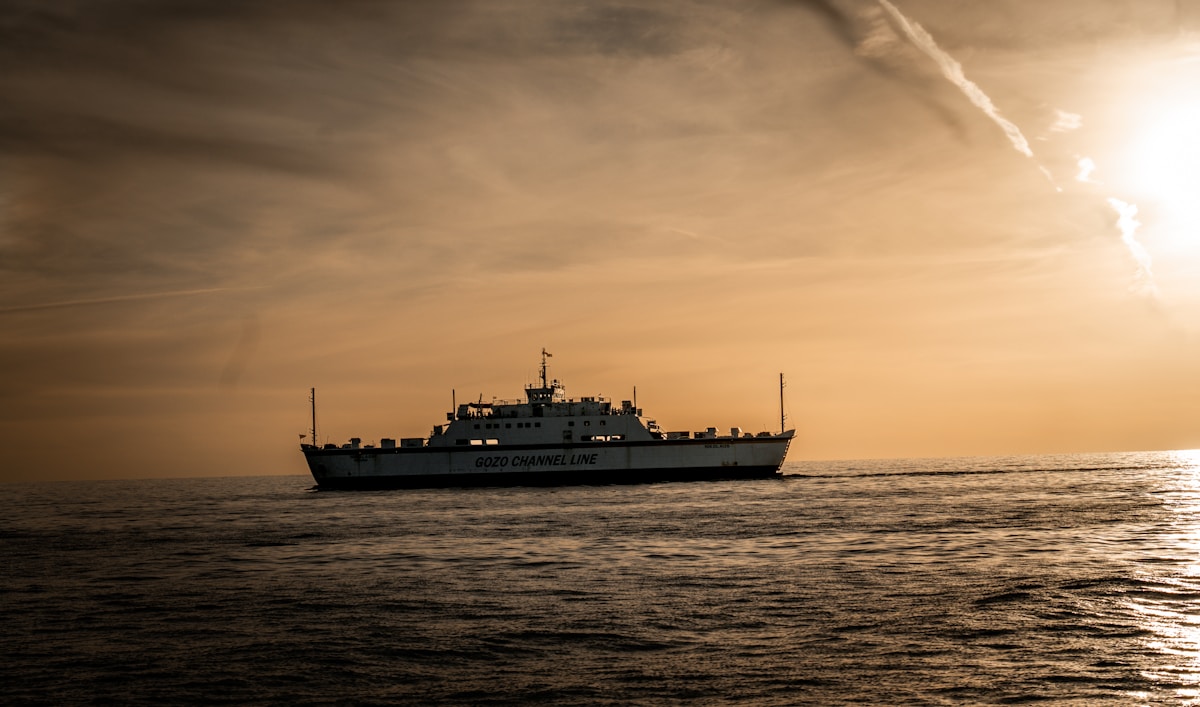
Crossing the Mediterranean by ferry is one of the most rewarding ways to arrive in Tunisia - you roll in with your luggage, a car if you want one, and the unhurried sense of having actually travelled to somewhere. Four main routes link continental Europe to Tunis-La Goulette, operated by a handful of established carriers. Here is what you need to know before booking.
The Four Main Routes
Marseille to Tunis (CTN / Corsica Linea)
The Marseille–Tunis crossing is the most popular route for travellers coming from France and is well served year-round, with additional departures added in summer. Journey time is approximately 22–24 hours depending on sea conditions and routing.
CTN (Compagnie Tunisienne de Navigation) is the Tunisian national carrier and has run this crossing for decades. It carries a high proportion of Tunisian expats returning home for the summer, which means departures in late June, July, and August sell out weeks ahead. Book early.
Corsica Linea (formerly SNCM) operates from Marseille’s Joliette terminal on the same route. Their vessels tend to be newer and the onboard experience is comfortable, with restaurant, bar, and outdoor deck space.
Approximate prices (Marseille–Tunis, per person, foot passenger):
- Low season: from €80 in a shared pullman seat or basic cabin
- High season (Jul–Aug): from €140 in a shared cabin; from €220 for a private cabin
Vehicle supplements (car up to 4.5m, one way):
- Low season: from €180
- High season: from €380
Marseille’s ferry terminal (Gare Maritime de la Joliette) is central and well connected by tram from Saint-Charles train station.
Genoa to Tunis (CTN / GNV)
The Genoa–Tunis route runs roughly 23–25 hours and is the gateway for travellers from northern Italy, Switzerland, and southern Germany who’d rather avoid crossing the Alps and driving the length of Italy.
CTN operates this route in partnership with codeshares, offering competitive fares for those who prefer a Tunisian carrier.
GNV (Grandi Navi Veloci) is an Italian operator running modern ro-pax (roll-on, roll-off with passengers) vessels. The GNV service from Genoa is reliable and well regarded, with en-suite cabins, a buffet restaurant, and covered vehicle decks. GNV often has early-booking promotions if you’re travelling outside peak season.
Approximate prices (Genoa–Tunis, per person, foot passenger):
- Low season: from €85 shared cabin
- High season: from €150 shared cabin, from €240 private en-suite
Vehicle supplements:
- Low season: from €200
- High season: from €420
The Genoa terminal (Stazione Marittima) is easy to reach from the city centre and has parking if you’re leaving a vehicle behind.
Civitavecchia to Tunis (GNV / Grimaldi Lines)
Civitavecchia - the port of Rome, about 80 km north of the city - offers two operators on the same crossing. Journey time is approximately 20–22 hours, making it a slightly faster crossing than Genoa.
GNV runs a regular frequency service with the same quality vessels as their Genoa route. This is a solid choice if you’re travelling from Rome or central Italy.
Grimaldi Lines is a Neapolitan shipping group operating across the Mediterranean and a strong option for those taking vehicles. Grimaldi’s vessels on this route carry trucks and commercial vehicles alongside private cars, so they’re well set up for the practicalities of vehicle transport. Their passenger facilities are functional rather than luxurious.
Approximate prices (Civitavecchia–Tunis, per person):
- Low season: from €75 pullman/recliner seat, from €120 shared cabin
- High season: from €160 shared cabin, from €280 private cabin
Vehicle supplements:
- Low season: from €170
- High season: from €360
Civitavecchia is served by direct trains from Roma Termini (about 1 hour, several per hour).
Palermo to Tunis (GNV / Grimaldi Lines)
The Palermo–Tunis route is the shortest Mediterranean crossing to Tunisia at around 10–12 hours, making it possible as an overnight sailing. This is the natural choice if you’re touring Sicily or coming from southern Italy.
Both GNV and Grimaldi operate this route. The crossing is genuinely scenic on a clear day - you’re never far from visible coastline on either side.
Approximate prices (Palermo–Tunis, per person):
- Low season: from €60 recliner seat, from €100 shared cabin
- High season: from €120 shared cabin, from €200 private cabin
Vehicle supplements:
- Low season: from €160
- High season: from €300
Palermo’s ferry terminal (Stazione Marittima) is in the city centre, within walking distance of the old town.
Cabin Types
All vessels on these routes offer several accommodation tiers. Here’s what each typically means in practice:
Search hotels in Tunisia on Booking.com
Pullman seats / recliners - aircraft-style reclining seats in a shared cabin. Adequate for shorter crossings (Palermo), uncomfortable for 24 hours (Marseille). The cheapest option.
Shared cabin (couchette) - a bunk-style berth in a 4- or 6-person cabin. The most common choice for independent travellers. Bedding is included on most operators. You’ll share with strangers, but it’s quiet and significantly more restful than a seat.
Private 2-berth cabin - a small en-suite or shared-facilities cabin for two people. Worth the premium on long crossings. Book these first as they’re limited.
Premium / luxury cabin - available on some GNV and Corsica Linea sailings. Larger cabin, better fixtures, occasionally includes breakfast. Prices are roughly double the standard private cabin rate.
Taking Your Vehicle
All four routes accept cars, motorcycles, vans, and campervans. Booking procedure:
- Select “with vehicle” when searching fares on the operator’s website
- Enter your vehicle length and height - this determines the tariff band
- Pay a vehicle supplement on top of the passenger fare
- Arrive at the terminal at least 90 minutes before departure (the vehicle check-in queue moves slowly in summer)
- You leave your vehicle on the car deck for the crossing; access to it during the voyage is not permitted
Caravans and motorhomes are accepted but check maximum height restrictions - some Grimaldi vessels have lower deck clearances. Trailers are typically accepted but require specific booking through the freight department.
La Goulette Port - Arrival in Tunisia
All Mediterranean ferries arrive at La Goulette (La Goulette port / Port de La Goulette), the port city adjacent to Tunis. The port is about 10 km from the city centre.
Getting into Tunis from La Goulette:
- TGM light rail - the Tunis-Goulette-Marsa tram line has a station near the port and runs to the Place de Barcelone in central Tunis. Fares are around 1 TND (approximately €0.30). The TGM is the cheapest and most straightforward option if you’re a foot passenger with manageable luggage.
- Taxi - metered taxis wait outside the terminal. The fare to central Tunis is typically 10–15 TND (approximately €3–€5) depending on the meter and time of day. Agree on metered fare before getting in. Avoid unmetered tout taxis.
- Louage (shared taxi) - louages to central Tunis can sometimes be found near the port. Fare is around 3–5 TND.
- Driving - if you’ve brought your vehicle, the road from La Goulette into Tunis is straightforward. The RN2 leads directly into the city. Budget 20–30 minutes in normal traffic.
The port has a currency exchange office (rates are fair), a basic café, and customs/passport control. EU and Schengen passport holders typically clear the queue within 30–60 minutes on non-peak crossings; allow 2 hours at the height of summer when several ferries discharge simultaneously.
Prices in Tunisian Dinar (TND)
For context, ferry-related costs once in Tunisia: a taxi from La Goulette to central Tunis is roughly 15–20 TND (approximately €5–€6); the TGM ticket is around 1 TND. The dinar is a closed currency - you cannot buy it abroad. Exchange euros or other hard currency at the port exchange desk or at a bank in Tunis. Rates at the port are generally comparable to in-city banks.
Booking Tips
Book early for summer. July and August crossings - especially Marseille–Tunis and Genoa–Tunis - sell out 6–10 weeks ahead. This is the heaviest period for the Tunisian diaspora returning for summer holidays. Vehicle spaces on these sailings go even faster.
Compare departures in one place first. Direct Ferries aggregates timetables and fares from CTN, Corsica Linea, GNV, and Grimaldi in a single search - a fast way to see which sailings are available across all four routes before committing to a specific operator. Omio is also worth checking if you need to combine the ferry crossing with a train or bus leg from elsewhere in Europe.
Use the operator websites directly. Booking via ctnavigazionetunisia.com (CTN), corsicalinea.com, gnv.it, or grimaldi-lines.com gives you the widest choice of cabins and avoids booking fees charged by third-party platforms.
Shoulder season is the sweet spot. May–June and September–October offer much better fares, shorter check-in queues, and calmer seas. The Mediterranean crossing can be rough in winter.
Check baggage allowances. Most operators allow 1–2 pieces of hold luggage and a cabin bag for foot passengers. Extra luggage charges apply beyond the allowance - bring within limits or pack light.
Once you’ve arrived at La Goulette, our guide to getting around Tunisia covers transport between cities and to the main sites. For the cheapest fares to cross from France or Italy, checking flights to Tunisia as an alternative sometimes makes sense on very long routes - a Marseille–Tunis return flight can undercut a ferry cabin on certain booking windows. And if you’re planning your trip around the weather, the best time to visit Tunisia gives a full month-by-month breakdown.
Plan Your Trip
⛴️ Compare ferry routes to Tunisia 🚆 Compare trains, buses & ferries with Omio ✈️ Book your flights to Tunisia 🛡️ Get travel insurance 📱 Stay connected with an eSIM 🚗 Rent a car