Is Tunisia Safe? Honest Safety Guide for Travellers
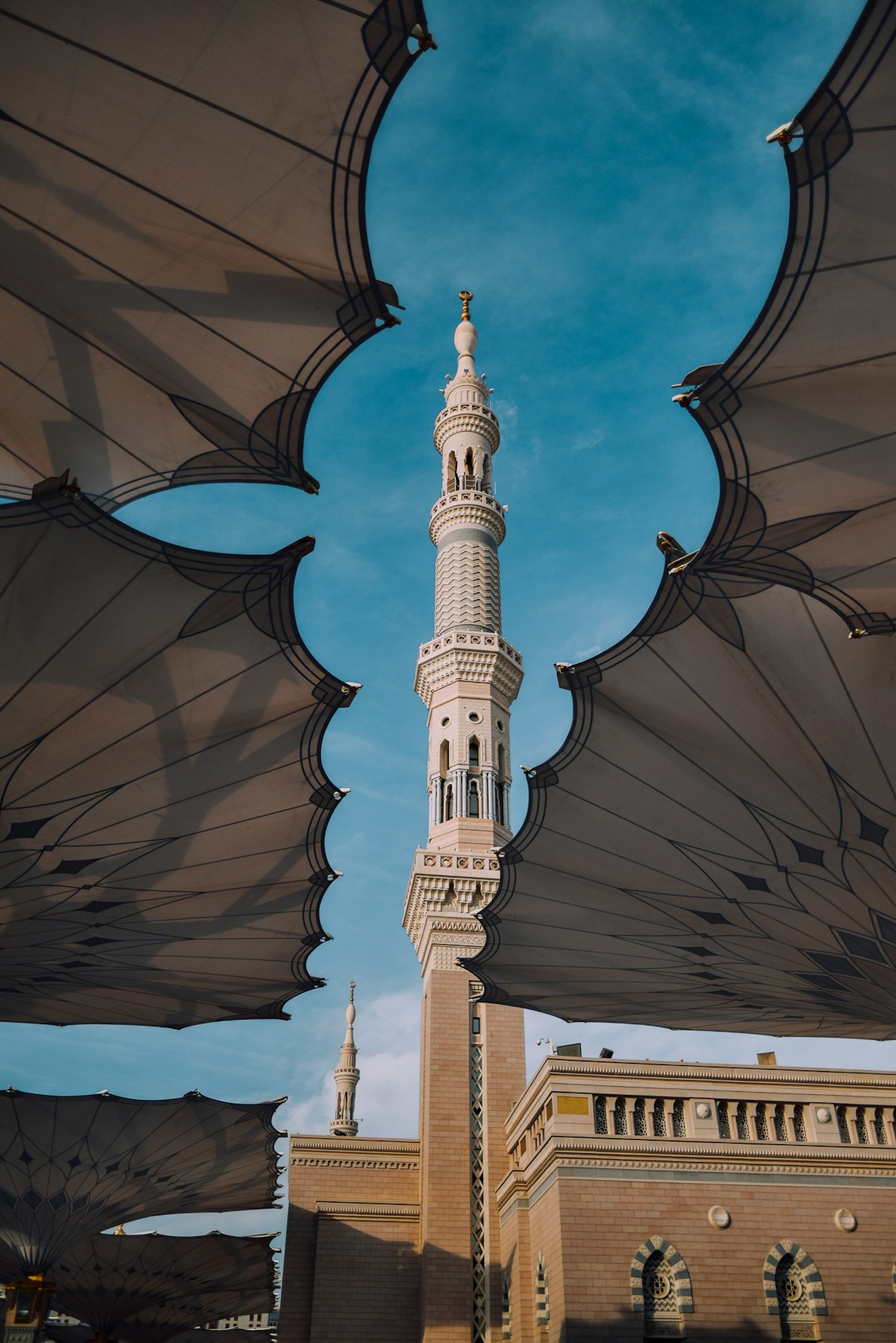
Tunisia is a broadly safe destination for tourists who stick to the established travel routes and follow standard travel precautions. The main tourist areas — Tunis, Hammamet, Sousse, Djerba, Sidi Bou Said, Kairouan, and Tozeur — receive hundreds of thousands of visitors each year without serious incident. The country is not without risk, but the risks are specific and avoidable.
The most important thing is to understand which areas to avoid and to plan sensibly around transport, accommodation, and arrival logistics.
Current travel advisories
As of 2026, both the UK Foreign, Commonwealth and Development Office (FCDO) and the US State Department maintain travel advisories for Tunisia. The advisories do not recommend against travel to the main tourist areas, but they do identify restricted zones.
The FCDO advises against all travel to:
- Within 20 kilometres of the Libyan border (southeastern Tunisia).
- Within 20 kilometres of the Algerian border (western Tunisia).
- The Chaambi Mountains National Park area and surrounding areas near Kasserine.
The FCDO advises against all but essential travel to:
- Certain southern interior regions not included in the above.
The main coastal tourist belt — Tunis, Hammamet, Sousse, Monastir, Djerba — falls outside all restricted zones. Tozeur and Douz (popular desert gateways) are also not in restricted areas. Always check your own government’s travel advice immediately before travel, as advisories can change.
Tourist zone safety
The coastal resort areas in Hammamet, Sousse, Monastir, and Djerba are heavily visited and generally safe. Resort hotels typically have private security. The main medinas in Tunis and Sousse are busy and well-policed during daylight hours. Kairouan and El Jem receive organised tour groups regularly and are not considered unsafe for visitors.
The 2015 attack on the Bardo Museum in Tunis and the 2015 Sousse beach attack prompted significant increases in security staffing around major tourist sites and hotels. Visible security presence at museums, hotels, and cultural sites has been maintained since then.
Areas to avoid
Beyond the border zones listed in the FCDO advisory, visitors should avoid:
- The Kasserine governorate interior and Jebel Chaambi area.
- Isolated or unmarked rural routes far from the main highway network.
- Late-night movement in non-tourist parts of any city without local knowledge.
- Any area that local accommodation staff or guides advise against.
Within cities, the main medinas are generally safe during daylight hours. After dark, walking alone in less-visited parts of any city increases risk of opportunistic petty crime, as it would in most urban environments worldwide.
Petty crime and scams
Petty crime is the most common concern for tourists in Tunisia. The main forms:
Taxi overcharging. Metered taxis exist in Tunis and major cities, but some drivers quote inflated fixed prices to tourists. Always ask for the meter (“bil-‘addad” in Arabic, “le compteur” in French) or agree the price before the journey. A ride from Tunis-Carthage airport to the city centre should cost around 15–25 TND by meter. Bolt ride-hailing operates in Tunis and tends to be cheaper and more transparent.
Unofficial guides. Persistent men offering guide services near medina entrances are common in Tunis, Kairouan, and Sousse. They attach themselves to tourists and expect payment afterwards. A simple, confident “la, shokran” (no, thank you) and maintained forward movement is usually enough to disengage.
Carpet shops and high-pressure sales. Being led into a carpet or souvenir shop by an unofficial guide is a common pattern. Entering these situations creates pressure. Politely declining to follow or enter eliminates the problem before it starts.
Money exchange scams. Only use licensed exchange bureaux or ATMs for currency. Street money changers offer attractive rates but sometimes short-change tourists or give counterfeit notes.
Solo travel safety
Solo travellers — male and female — regularly visit Tunisia without serious problems. The practical considerations are:
- Pre-book the airport transfer for your first arrival. Navigating taxis or transport at night while carrying luggage and unfamiliar with local pricing is where the most problems occur.
- Stay in reviewed accommodation with clear check-in processes.
- Share itinerary information with someone at home.
- Avoid walking alone in any city after midnight in areas away from active bars, restaurants, and tourist zones.
Safety for solo female travellers
Solo female travellers do visit Tunisia successfully, though the experience varies more than for men. The most reported issues are persistent verbal attention in markets and medina areas, and discomfort from unwanted following in less-busy areas.
Practical measures that make a noticeable difference:
- Dress modestly — covering shoulders and knees is respectful and reduces attention significantly.
- Walk with purpose and avoid prolonged eye contact with those who are pestering.
- Use riads, guesthouses, and hotels with good reviews specifically from solo female travellers.
- Pre-arrange guided tours for sites like the Kairouan medina rather than wandering alone.
- Avoid travelling alone by road at night.
Tunisia is not uniquely difficult for solo women in North Africa. Many solo female travellers rate the experience as manageable and worthwhile with the right preparation.
Health considerations
Tunisia’s medical infrastructure is reasonable in Tunis and the major cities. Private clinics (particularly in Tunis, such as Clinique les Berges du Lac and Clinique El Manar) can handle most standard medical situations. Further south and in rural areas, facilities are more limited — the nearest well-equipped hospital may be an hour’s drive from Tozeur or Douz.
Practical health points:
- Tap water in Tunisia is technically treated but not reliably clean for travellers unused to it. Bottled water is cheap and widely available.
- Food hygiene varies. Cooked food from busy restaurants is generally fine; be cautious with uncooked vegetables and salads at smaller establishments in the south.
- Sun exposure is significant — SPF 50+ sunscreen, a hat, and hydration matter especially when visiting open archaeological sites.
- No mandatory vaccinations are required for entry, but standard travel vaccinations (hepatitis A, typhoid) are worth being up to date on before travel.
- Travel insurance is essential. The EHIC and GHIC cards do not apply in Tunisia. A standalone travel insurance policy covering medical emergencies and repatriation is the only reliable cover. See our travel insurance guide for Tunisia.
Transport safety
Trains: SNCFT trains between Tunis, Sousse, and Sfax are safe and used by locals and tourists alike. Keep valuables in your bag rather than in overhead racks on busy trains.
Louages (shared taxis): Widely used by Tunisians for intercity travel and considered safe. Fixed fares on set routes make overcharging uncommon. See our louage guide for how to use them.
City taxis: Generally fine during the day. Ask for the meter or agree price in advance. Avoid unmarked vehicles offering rides.
Hire cars: Driving in Tunisia is broadly manageable on the main roads. The GP1 motorway between Tunis and Sfax is in good condition. In the south, roads vary — main routes are paved, but secondary desert tracks can be rough. Observe speed limits: police checkpoints exist and foreigners are not exempt. A valid driving licence and the hire company’s insurance documents should be in the vehicle at all times.
Private airport transfers: Pre-booking a transfer for your arrival in Tunis removes the most common first-day stress point. See our Tunis airport transfers guide.
Is Tunisia safe overall?
Tunisia is broadly safe for travellers who plan sensibly, stay in the established tourist areas, check current advisories before travel, and take the same precautions they would in any unfamiliar destination. The risks are specific — border zones, opportunistic petty crime, transport uncertainty on arrival — and largely avoidable with straightforward planning.
The most useful mindset is informed rather than anxious. Travellers who arrive knowing how taxis and money work, who have pre-booked their first transfer, and who understand which areas to avoid typically have a smooth experience. Tunisia rewards straightforward travel planning more than excessive caution.
Frequently Asked Questions
- Is Tunisia safe for tourists in 2026?
- Tunisia is broadly safe for tourists visiting the established tourist areas — Tunis, Hammamet, Sousse, Djerba, Kairouan, and Sidi Bou Said. The UK FCO and US State Department both have Tunisia on a general travel advisory with specific restricted zones; they do not advise against travel to the main tourist areas.
- Which areas of Tunisia should tourists avoid?
- Avoid the border regions with Libya (south and east) and Algeria (west), the interior mountain areas near Kasserine and Jebel Chaambi, and any area the FCO or State Department currently flags as 'advise against all travel.' The coastal tourist belt and the major cities are not in any restricted zone.
- Is Tunisia safe for solo female travellers?
- Solo female travellers do visit Tunisia successfully, though some experience persistent attention in busy medina areas. Dressing modestly, using pre-booked transfers, staying in reputable accommodation, and avoiding walking alone late at night significantly reduces unwanted attention. Tunisia is not uniquely difficult in North Africa for solo women.
- What are the most common tourist scams in Tunisia?
- The most frequent issues are unmarked taxis with inflated fares, guides who attach themselves near medina entrances and expect payment, and souvenir shops that move quickly to high prices. Simple responses: agree taxi prices before getting in, say clearly that you do not need a guide, and never feel pressured to buy.
- Is it safe to visit Tunisia as a first-time solo traveller?
- Yes, with sensible planning. A first-time solo visitor who pre-books accommodation, uses reputable transport options, avoids restricted areas, and stays in established tourist locations (Tunis, Hammamet, Sousse, Djerba) will typically have a straightforward experience.