Search hotels in Tunisia on Booking.com
A Tunisia trip typically combines very different environments - Mediterranean beaches, urban medinas, and Sahara desert. The climate, dress codes, and infrastructure vary significantly between regions, so packing with intention makes a real difference. We have put together this list based on the most common trip types we see: coastal stays combined with city exploration and desert excursions.
Documents
- Passport (valid for at least 6 months beyond return)
- Travel insurance documents (digital or printed)
- Pre-booked accommodation and tour confirmations
- EU driving licence or international driving permit (if hiring a car)
- Euros or USD for exchange on arrival (TND not available outside Tunisia)
- Printed hotel address in French or Arabic - useful for taxi drivers who may not read English
- A copy of your passport stored separately from the original (phone photo is fine as a backup)
Currency and Payment
The Tunisian Dinar (TND) is a closed currency, meaning you cannot buy it before arriving. Exchange desks at Tunis-Carthage airport offer reasonable rates and are open for most arriving flights. As of 2026, the exchange rate is approximately 3.3 TND to 1 EUR and 3.0 TND to 1 USD. ATMs are widely available in Tunis, Sousse, Hammamet, and other major towns, but unreliable in rural southern areas (Tozeur, Douz, and the mountain oases). Cards are accepted in larger hotels and restaurants, but cash is essential for medina shops, street food, louage fares, and rural purchases. We recommend carrying approximately 200–300 TND in cash when heading south.
Clothing - Summer (May–September)
- 3–4 lightweight t-shirts or tops (cotton or linen breathe best in 35°C+ heat)
- 1–2 pairs of shorts (for beach and resort areas only)
- 1–2 loose, long-sleeved tops (for medinas, religious sites, and avoiding sunburn)
- 1 pair of lightweight, full-length trousers or maxi skirt (essential for medina visits)
- Swimwear (2 sets if spending significant time on the coast)
- Casual evening outfit (restaurants in tourist areas are relaxed but some hotel restaurants expect covered shoulders)
- Packable sun hat - essential, particularly in the south where temperatures regularly exceed 40°C
- Comfortable walking sandals or closed-toe trainers (essential for cobblestone medinas - Tunis medina in particular has uneven surfaces)
- Flip-flops for beach and pool
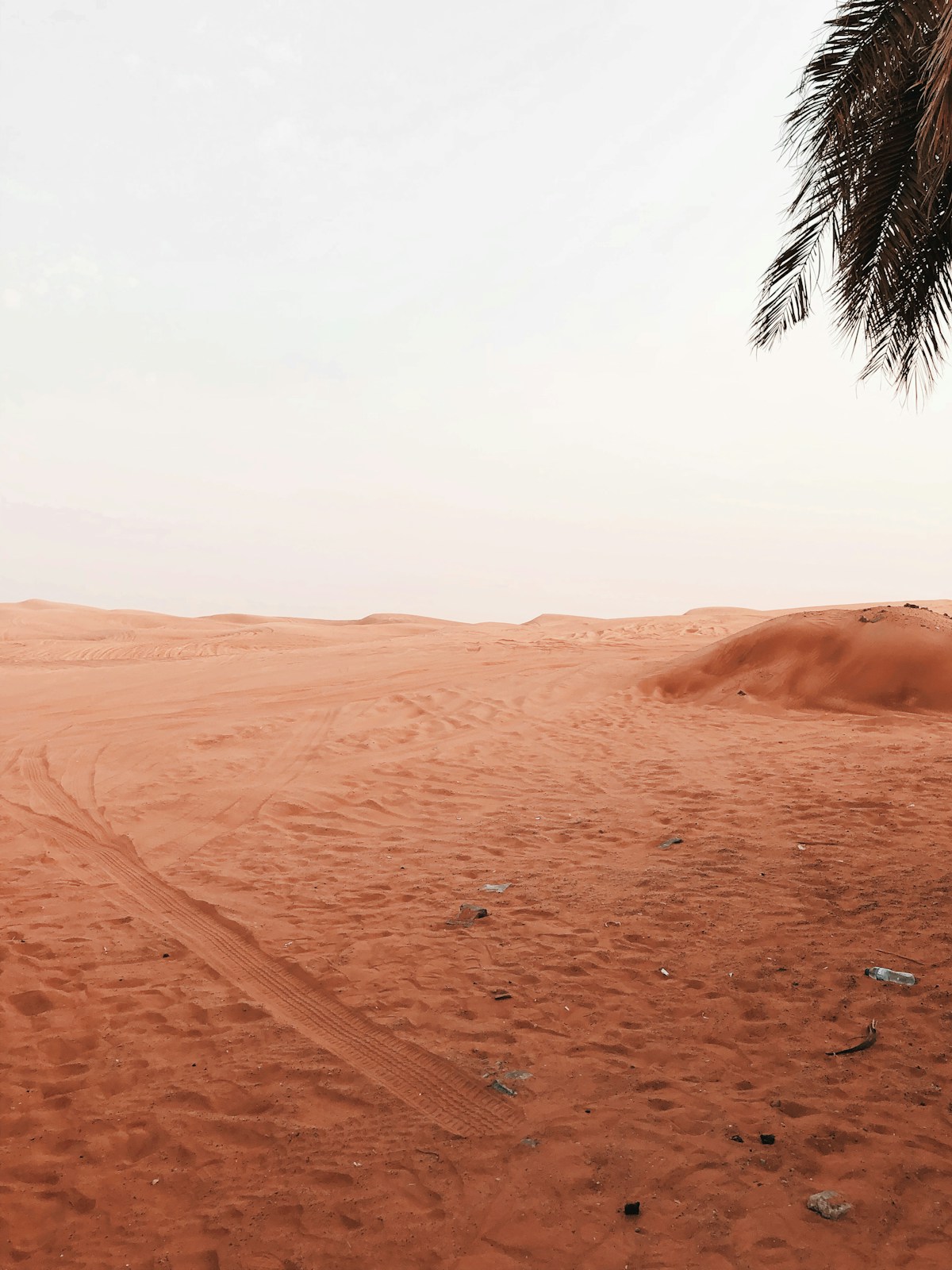
For the Sahara: Even in summer, desert nights can drop to 15–18°C. Bring a light fleece or warm layer for evening. If visiting between October and March, nighttime temperatures in the desert can fall below 10°C - a proper warm layer is necessary. A buff or lightweight scarf protects against sand and wind during desert excursions.
Clothing - Shoulder Season (March–April, October–November)
Replace shorts with trousers as the primary option. Temperatures range from 18–25°C on the coast, cooler inland. Add a light waterproof jacket - spring showers are possible, particularly in the north. A fleece or warm mid-layer is useful for evenings, especially in the south. November evenings in Tunis can drop to 12°C.
Clothing - Winter (December–February)
Tunis winter temperatures average 10–16°C with regular rain. Pack a proper rain jacket, warm layers, and closed-toe shoes. The south is drier but cold at night. Hotels in Tunisia do not always have strong central heating, so warm pyjamas and a travel blanket can be useful.
Dress Code Notes
Tunisia is more relaxed than many North African countries regarding dress, but standards vary by location. Beach resorts are casual - swimwear on the beach is normal. In Tunis medina, Kairouan, and smaller towns, covering shoulders and knees is respectful and reduces unwanted attention. Women visiting mosques (where non-Muslim entry is permitted, such as the Barber’s Mosque in Kairouan) should cover their hair. A lightweight scarf serves multiple purposes: sun protection, mosque visits, and cooler evenings.
Gear and Accessories
- Sunscreen (SPF 50+): Tunisian UV is intense - even in spring and autumn. Bring sufficient from home as imported sunscreen in Tunisia is expensive (approximately 25–35 TND for a quality brand as of 2026)
- Sunglasses with UV protection and a wide-brimmed hat
- Refillable water bottle: Tap water in Tunisia is not reliably safe to drink - buy bottled water (approximately 0.5–1 TND per 1.5L) or use filtered options
- Small daypack (20–25L) for medina walks, beach days, and day trips
- Microfibre towel if staying in budget accommodation or planning beach days away from hotel
- Dry bag or waterproof phone pouch - useful for boat trips from Hammamet or Djerba
- Earplugs - the call to prayer is early and audible in medina accommodation; street noise in cities can be significant
Electronics
- European 2-pin Type C adaptor (UK/US travellers need this - buy before departure as they are harder to find in Tunisia)
- Portable power bank (10,000mAh minimum) - useful on long desert drives where charging opportunities are limited
- Camera or phone with good camera - the light in Tunisia is excellent, particularly golden hour on the coast and in the desert
- Offline maps downloaded in advance (Google Maps offline or Maps.me) - mobile data coverage is patchy in the south
Health
- Any personal prescription medication - bring sufficient for the whole trip plus a few days’ buffer
- Standard first aid kit (blister plasters, antiseptic wipes, ibuprofen, paracetamol)
- Antidiarrhoeals (loperamide) - food hygiene standards vary; traveller’s stomach is common, especially when eating street food
- Oral rehydration sachets - important if travelling in summer heat
- Hand sanitiser
- Mosquito repellent (DEET-based recommended for coastal and southern areas, particularly at dusk from May to October)
- Travel insurance - EHIC does not cover Tunisia; ensure your policy covers medical evacuation if planning desert excursions
- Antihistamines - useful for dust and pollen, especially in spring
What to Leave at Home
- Guidebooks in print (large and heavy; apps and offline maps are more practical)
- Excess clothing (laundry services are widely available and cheap - approximately 10–15 TND per load at most hotels as of 2026)
- Expensive jewellery or electronics (not specifically unsafe, but unnecessary and may attract unwanted attention in markets)
- Drone - drone regulations in Tunisia are strict and permits are required; flying without authorisation can result in confiscation
- Too many shoes - one pair of walking shoes, one pair of sandals, and flip-flops cover every situation
For the most significant variables in packing - how much cash to carry, what the weather will be - see our Tunisia travel budget guide and our best time to visit Tunisia guide. If heading to the desert south, our Sahara desert guide includes a specific packing section for desert conditions. A Tunisia eSIM is worth adding to the list - data from the moment you land makes navigation, translation apps, and restaurant searches immediately available without buying a physical SIM on arrival.
Plan Your Trip
✈️ Book your flights to Tunisia 🛡️ Get travel insurance 📱 Stay connected with an eSIM 🚗 Rent a car
Not sure which adapter to pack? Our Tunisia power outlets and adapters guide covers plug types, voltage and power banks.