Search hotels in Tunisia on Booking.com
Weather in Tunisia in February
Tunisia’s February weather divides sharply by region. The north is cool and occasionally wet; the Sahara is warm, dry, and at its best; the coast sits in between.
| Region | Daytime High | Night Low | Rain Days | Sunshine |
|---|---|---|---|---|
| Tunis / North | 13–16°C | 7–9°C | 6–8 days | ~6 hrs/day |
| Central (Kairouan, El Jem) | 15–19°C | 5–8°C | 2–4 days | ~7 hrs/day |
| Sahara (Tozeur, Douz) | 17–22°C | 3–6°C | 0–1 days | ~8 hrs/day |
| Djerba / South Coast | 17–21°C | 9–12°C | 2–4 days | ~7 hrs/day |
Sea temperature: around 15°C - cold for swimming. Beach activities are possible on sunny days in the south, but most visitors focus on the desert and cultural sites rather than the sea.
Is it warm enough? For sightseeing and desert exploration: yes. Saharan days at 20°C+ feel genuinely warm in sunshine. Northern Tunisia at 13–16°C requires a jacket. February is not a beach holiday month.
Tunisia spans from the Mediterranean coast in the north to the Sahara Desert in the south - conditions in February vary significantly depending on which part of the country you’re visiting. February shares January’s quiet character but with a subtle shift: by late February, spring begins to announce itself in the north.
Still Cool, Warming Late: Almond Blossoms Signal Spring
Northern Tunisia stays cool at 13-16°C, with rainfall tapering slightly from January’s peak. Tunis and the Cap Bon coast see occasional wet days but more frequent sunshine than the month before. Late February can produce warm spells of 18-20°C that feel distinctly spring-like.
Central Tunisia (Kairouan, El Jem, Sbeitla) is dry and mild - 15-19°C during the day, cool at night. The steppe landscape between the coast and the desert starts to green up.
The Sahara remains at its best: Tozeur averages 17-21°C by day, dropping to 5-8°C at night. The Chott el-Djerid salt lake and mountain oases of Chebika and Tamerza are superb in this light. Douz desert camps are comfortable with warm clothing for evenings.
Almond Blossoms Around Ain Draham and the Last Full Desert Month
The tail end of the olive harvest wraps up in the Sahel by early February. In the south, date palms in Tozeur’s palmerie are dormant - the groves are quiet but still worth visiting for their scale and irrigation channels.
Ramadan timing varies each year. When Ramadan falls in February, expect altered opening hours at local restaurants and cafes outside tourist zones. Hotel restaurants remain open for non-fasting guests. The medinas of Tunis and Sousse take on a different rhythm - quieter by day, animated by evening.
Almond blossom appears in the north by late February, particularly around the hills of Ain Draham and the Kroumirie mountains near Tabarka. This is a brief and beautiful window - the hillsides turn white and pink for two to three weeks.
Prime Sahara Window Before the March Crowds Build
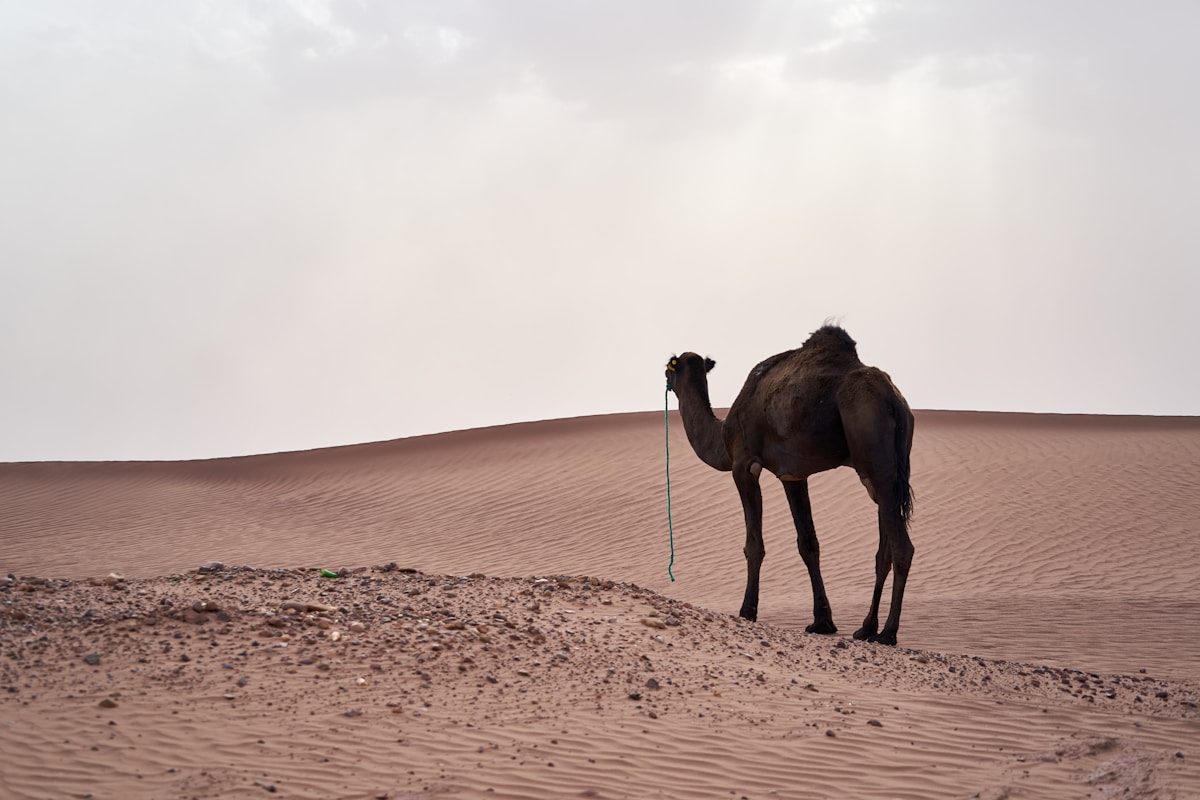
Sahara and desert south. February is the second-best month (after January) for Sahara exploration. Overnight bivouacs at Douz and camel treks into the Grand Erg Oriental are at prime comfort. Matmata’s underground Berber houses are atmospheric and uncrowded. See our Sahara desert tours from Tunis guide for guided options, or our Tozeur vs Douz comparison if you’re choosing between the two desert gateway towns.
The Sahara in February: What Changes from January
Daytime desert temperatures in February creep up 2–3°C from January, reaching 19–23°C around Tozeur and Douz by the last week of the month. This makes midday conditions in the oasis gardens very pleasant - the sort of warm stillness that makes sitting in the shade of a palm grove feel earned. Night temperatures rise slightly too, though overnight bivouacs still require sleeping bags rated to near-freezing for early mornings.
The Chott el-Djerid in February catches the early light differently from January - the salt crusts may have shifted slightly after winter rainfall, producing different patterns and colours. If you crossed it in January, it’s worth the drive again to compare. February is also when the date palm groves around Tozeur’s old quarter (the Ouled el-Hadef neighbourhood, with its distinctive yellow ochre brickwork) are most serene - no tourist rush, the lanes empty except for local life.
Roman sites. Dougga, Sbeitla, and El Jem are excellent - cool enough for sustained walking without shade. The amphitheatre at El Jem, which holds 35,000 people, feels vast and resonant when you have it to yourself.
Djerba in February. By mid-to-late February, Djerba is approaching the first hints of warmth - daytime temperatures reach 18–21°C on clear days and the sea is beginning its slow climb toward swimmable temperatures. The beach at Sidi Mahrez is still quiet but pleasant for a walk. Late February can produce a day or two warm enough to sit outside a beachfront café in a t-shirt - something genuinely impossible in December. The island’s character in February is calm and local: the Houmt Souk market runs at full pace for Tunisian visitors, the El-Ghriba synagogue receives a steady trickle of visitors (including Jewish Tunisian diaspora making their annual pilgrimage), and the ceramic workshops in Guellala village are fully operational. See our where to stay in Djerba guide for the best February hotel rates on the island.
Almond blossom in the north. By late February, the hillsides around Ain Draham in the Kroumirie mountains turn white with almond blossom - a two-to-three week window that begins around the third week of the month. The Tabarka road from Jendouba passes through the heart of this landscape. Ain Draham itself is a small town at 900m altitude - unusual in Tunisia for its forests of cork oak and a genuinely cool mountain atmosphere. A day trip from Tunis (3.5 hours) is feasible; staying overnight in the area gives morning walks in the blossom.
Tunis and Sidi Bou Said. The Tunis medina is at its most authentic in February - local life dominates over tourism. The Bardo Museum’s Roman mosaic collection is world-class and an ideal rainy-day option. Sidi Bou Said is photogenic year-round, and February’s low light produces warmer tones on its white-and-blue facades. The medina’s street food scene - brik (fried egg pastry), fricassée sandwiches, grilled merguez at the stalls near Bab el-Khadra - is most accessible in winter when lines are short and vendors are talkative. February also sees Tunisian coffee culture at its most visible: the traditional cafes around Halfaouine square fill with men playing cards and dominoes all afternoon, a tableau that the tourist season interrupts.
Thalassotherapy spas. Winter discount packages continue through February at spa centres in Hammamet, Djerba, and Sousse. Tunisia was one of the first countries to develop medical thalassotherapy, and winter remains the cheapest season for multi-day treatments. Browse spa hotels in Hammamet or see our full where to stay in Hammamet guide for current package rates.
Last Month of Winter Lows Before Spring Prices Kick In
February prices match January at the bottom of the annual range. Beach resort occupancy is near zero - many properties at Hammamet and Port el Kantaoui remain closed. Djerba maintains more year-round services due to charter flights from Germany and France, but rates are heavily discounted.
Tunisian school holidays sometimes include a short February break (one week, dates vary). This can cause a brief uptick in domestic tourism at Djerba and southern oases but has no meaningful impact on availability or prices for international visitors.
Internal transport (louages, SNTRI buses, Tunisair Express flights) runs year-round. February schedules are slightly reduced compared to summer but all major routes operate daily.
February Logistics: Off-Season Flights and Desert Bivouac Kit
See our Tunisia in winter guide for the full Dec–Feb picture, or the best time to visit Tunisia for a year-round view. For route planning, see the Tunisia itinerary guide. February is ideal for Sahara and Roman sites - hire a car in Tunisia and road-trip between Dougga, Kairouan, and El Jem at your own pace.
Plan Your Trip
February is the last full month for off-season pricing before spring rates kick in - flights from Europe remain cheap and coastal hotels are still at winter discounts. The almond blossom window around Ain Draham and the Kroumirie hills near Tabarka is brief; plan for late February and book a base in Tabarka to catch it. For a classic southern loop - Dougga, Kairouan, El Jem, Tozeur - renting a car is more flexible than joining group tours. Overnight desert bivouacs at Douz still require sleeping bags rated below freezing for early mornings; confirm kit before booking.
✈️ Book your flights to Tunisia 🛡️ Get travel insurance 📱 Stay connected with an eSIM 🚗 Rent a car