Search hotels in Tunisia on Booking.com
Tunisia spans from the Mediterranean coast in the north to the Sahara Desert in the south - conditions in January vary significantly depending on which part of the country you’re visiting. January is the quietest and cheapest month of the year, making it ideal for travellers who want cultural depth without crowds.
Cool North, Warm Sahara: January’s Regional Temperature Split
Northern Tunisia (Tunis, Bizerte, Tabarka) averages 12-14°C with occasional rain - roughly 60-70mm across the month, concentrated in short spells rather than all-day downpours. The Cap Bon peninsula and Hammamet coast sit around 13-15°C. Grey days are common but rarely cold enough to be unpleasant for sightseeing.
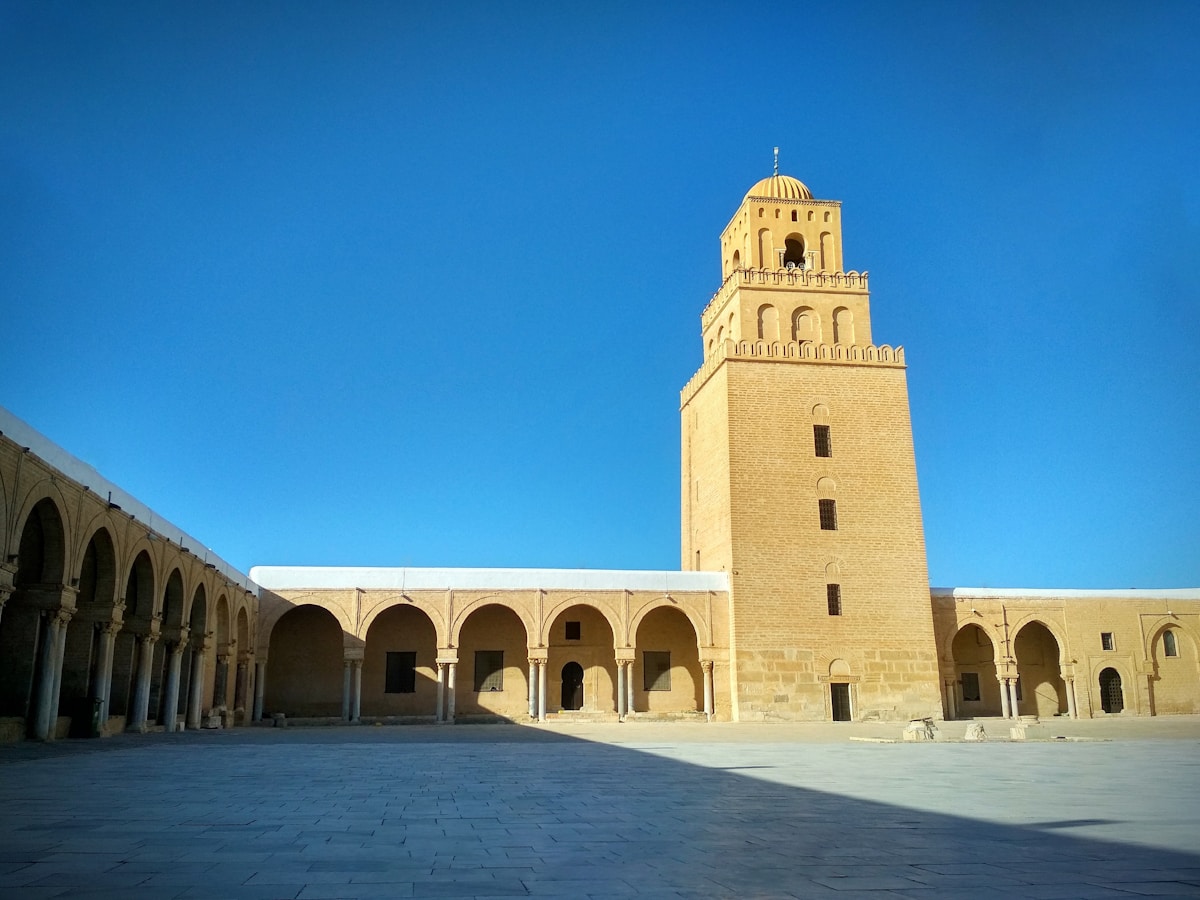
Central Tunisia (Kairouan, Sbeitla, El Jem) is drier and slightly cooler at night. Daytime temperatures of 14-18°C make the Roman ruins of Dougga and El Jem genuinely comfortable to explore - something that cannot be said of summer visits.
The Sahara Desert around Douz and Tozeur is at its most accessible in January. Daytime highs of 15-20°C drop sharply after sunset to 3-6°C. Pack warm layers for evenings and early mornings if you are camping or doing overnight desert excursions.
Olive Harvest Finale and Desert Stargazing Season
The olive harvest runs from November through January across the Sahel region (Sfax, Sousse, Monastir). In rural areas around Sfax, you can see traditional pressing methods still in use alongside modern mills. January is the tail end of the season - the freshest new-season olive oil appears in local markets.
Ramadan is a moveable Islamic observance that shifts roughly 11 days earlier each year. Check dates before booking: during Ramadan, many local restaurants close during daylight hours, though tourist-facing hotels and restaurants in resort areas remain open. The atmosphere in the medinas changes - evenings become lively with iftar meals and street food stalls after sunset.
Mawlid (the Prophet’s birthday) also shifts annually. When it falls in January, expect closures of government offices and a festive atmosphere in cities, with sweets and street celebrations.
January Is for the Sahara: Douz, Tozeur, and the Chott el-Djerid
Sahara and the south. This is the premier month for the Sahara. Douz is the gateway to the Grand Erg Oriental - camel treks and overnight bivouacs are at their most comfortable. Tozeur gives access to the Chott el-Djerid salt lake and the mountain oases of Chebika, Tamerza, and Mides. Matmata and its troglodyte dwellings are uncrowded and atmospheric in winter light. For a guided southern route, see our Sahara desert tours from Tunis guide or our Tozeur Sahara tours guide if you are basing yourself at the oasis.
The Sahara in January: What the Experience Actually Looks Like
January is when the Sahara shows its full character. Days in Douz and Tozeur reach 17–20°C - warm enough to spend hours exploring the dunes and oasis gardens without shade. By 5pm the temperature drops quickly and by sunset you need a proper jacket. Overnight bivouacs drop to 3–6°C by 3am; reputable operators supply thick Berber blankets and sleeping bags rated to near-freezing.
The star-gazing is the thing no one tells you about until they’ve done it. Tunisia’s Sahara has minimal light pollution, and January’s clear, dry air produces exceptional visibility. On a moonless night the Milky Way is visible as a distinct band. Many overnight camp operators include a guided constellation session. If you have any flexibility on timing, schedule your desert night around the new moon.
The Chott el-Djerid salt lake, west of Tozeur, is at its most vivid in January. The shallow brine produces white salt crusts and pink-tinged reflections in early morning light. The road across the causeway is open year-round; the crossing takes about 40 minutes. Stop at the viewpoint on the Tozeur side at sunrise.
Mountain oases - Chebika, Tamerza, Mides - are best visited in January when the temperature allows serious hiking. Tamerza has a dramatic canyon with a waterfall (reduced in dry years). Mides sits on the edge of a deep gorge and gives the best views of the three. All three are driveable in a half-day from Tozeur.
Roman archaeology. Cool temperatures make January ideal for extensive walking around Dougga, Sbeitla, and El Jem. You will often have these sites nearly to yourself.
Djerba in January. Djerba island sits further south than the mainland coast - daytime temperatures reach 17–19°C and the sea, at 17°C, is too cold to swim but the beach is entirely walkable. The island’s whitewashed architecture, the Houmt Souk market, and the ancient El-Ghriba synagogue are all excellent in winter light. January is one of the few months you can explore the whole island unhurriedly - the main tourist zone around Midoun and Sidi Mahrez is quiet, accommodation prices are at their lowest, and the locals are genuinely pleased to see visitors.
Tunis and the cultural north. The Tunis medina, the Bardo Museum, and Carthage are excellent in January. Sidi Bou Said is quiet - the blue-and-white clifftop village is best appreciated without summer crowds. Galleries and cultural cafes in Tunis operate year-round.
At the Bardo Museum, allow three hours for the Roman mosaic collection - the mosaics from Dougga and Thuburbo Majus are among the finest in the world and January visitor numbers are low enough to appreciate them properly. The hammams in the medina (Hammam du Pacha near Zitouna mosque is the most historic) operate all winter; entry costs 5–8 TND, and a kessa (exfoliation scrub) treatment adds 15–20 TND. Café M’rabet inside the medina souk is a hundred-year-old teahouse that operates regardless of season - tea on the upper terrace overlooking the souk is a genuinely atmospheric experience.
Thalassotherapy spas. Tunisia’s thalassotherapy centres at Hammamet, Djerba, and Sousse run year-round and offer significant winter discounts - often 30-40% below summer rates. January is the cheapest month for spa packages combining seawater therapy, hammam, and massage. Browse spa hotels in Hammamet - or see our full where to stay in Hammamet guide - for current winter package rates. For Djerba, see our where to stay in Djerba guide or book hotels in Djerba for the best January rates.
Rock-Bottom Prices: Tunisia at Its Cheapest in January
January is the lowest season for tourism in Tunisia. Hotel rates are at rock bottom, domestic flights are cheap, and you will rarely need to book anything in advance. Coastal beach resorts at Hammamet and Port el Kantaoui operate on skeleton staff or close entirely. Djerba keeps more properties open due to its year-round European charter market, but occupancy is low.
Tunisian school holidays do not fall in January, so domestic tourism is minimal. Expect to have major sites, restaurants, and transport largely to yourself.
January Logistics: Booking Sahara Treks and Winter Spa Deals
See our Tunisia in winter guide for the full Dec–Feb picture, or the best time to visit Tunisia for a year-round breakdown. January is excellent for uncrowded tours from Tunis - Carthage, the medina, and Kairouan circuits run daily with short notice availability. For route planning, see our 7-day Tunisia itinerary or the focused Sahara desert tour itinerary for a southern circuit.
Plan Your Trip
January is peak season for the Sahara - book your Douz camel trek or 3-day Sahara tour from Tunis before you fly, since group departures fill on good-weather weeks. Thalassotherapy spa hotels in Hammamet and Djerba run their deepest winter discounts this month - often 30–40% below summer rates. A hire car is the best way to link Tozeur, the Chott el-Djerid salt lake, and the mountain oases of Chebika and Mides in a single southern loop; book in advance if flying into Tozeur directly. Tunis day tours to Carthage and Kairouan run daily with short-notice availability in January.
✈️ Book your flights to Tunisia 🛡️ Get travel insurance 📱 Stay connected with an eSIM 🚗 Rent a car