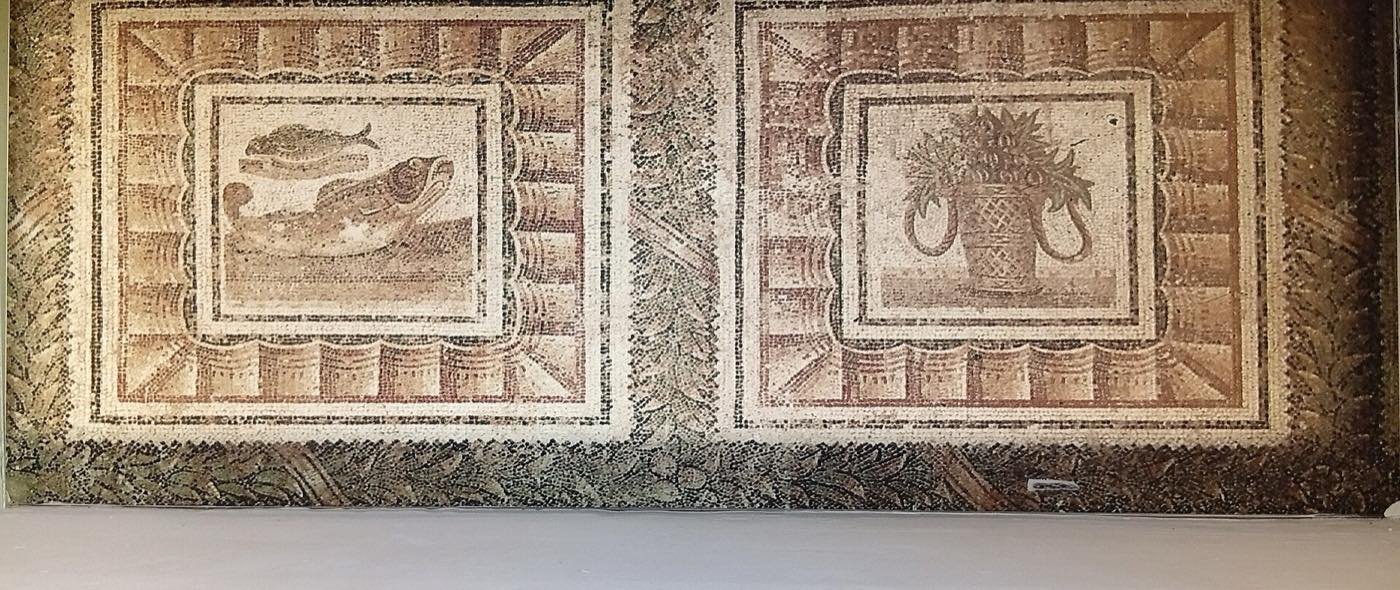
The Bardo National Museum in Tunis holds the largest collection of Roman mosaics anywhere in the world. Most were lifted from villas, baths and public buildings across Roman Africa, then reassembled on the walls and floors of a former Beylical palace in the suburb of Le Bardo. If you only visit one museum in Tunisia, make it this one. It also changes how you read the sites themselves: after the Bardo, the ruins at Carthage, Dougga and El Jem make far more sense.
Bardo Museum tickets and fees (as of 2026)
Tunisia introduced a new, much higher fee schedule for foreign visitors to national museums and archaeological sites on 1 April 2026. For the Bardo, reports from Business News and Managers.tn give these figures:
| Visitor | From April 2026 | From January 2027 |
|---|---|---|
| Foreign adult, Bardo only | 30 TND | 45 TND |
| Combined Bardo and Carthage ticket (foreign adult, as reported) | 45 TND | 70 TND |
| Tunisian resident | about 8 TND | about 8 TND |
Older guides, and some pages of ours written before the change, quote 12 to 15 TND. That price no longer applies. Budget 30 TND per person for the rest of 2026 and 45 TND from January. Tickets are bought at the museum entrance, and a licensed guide inside is usually extra. Tour operators have criticised the rise, so the schedule may still be adjusted; check the current price before you travel.
Opening hours
The museum is closed on Mondays. It is open Tuesday to Sunday, roughly 09:00 to 17:00, with shorter hours in winter. The museum has also closed unexpectedly for works and public holidays, so confirm locally if your visit falls on a holiday (see our public holidays in Tunisia page). Arrive at opening time: tour groups from the coast tend to arrive mid-morning and the main mosaic halls fill quickly.
Getting there
The Bardo is about 4 km northwest of the medina in the suburb of Le Bardo.
- Metro Line 4: from the centre (Place de Barcelone or Republic area), ride to Le Bardo station and walk a few minutes. Fares are low, around 1 TND.
- Taxi: approximately 5 to 10 TND from Avenue Habib Bourguiba. Insist on the meter.
- From the airport: Tunis-Carthage airport is about 20 minutes away; see our Tunis airport transfer guide, or book a private airport transfer if you arrive on a morning flight and want to visit the same day.
What to see, room by room
The collection is spread across a Husainid-era palace and a modern wing opened in 2012. Rooms are named after the sites or themes they hold, and the signage is in Arabic, French and English.
- Mosaics from Sousse (Hadrumetum): the museum’s best-known panel shows the poet Virgil seated between the muses Clio and Melpomene, a 3rd-century work found in Sousse. Nearby halls hold large marine and mythological scenes.
- Dougga and Thuburbo Majus: the mosaic of Ulysses and the Sirens from Dougga is a highlight, alongside hunting and agricultural scenes from wealthy country estates.
- Carthage rooms: Punic funerary steles and masks, and Roman domestic floors, show how the city looked before and after 146 BC.
- The Mahdia shipwreck: a gallery of bronze and marble pieces recovered from a Roman cargo ship that sank off Mahdia around the 1st century BC, one of the most important underwater finds in the Mediterranean.
- Early Christian and Islamic galleries: mosaics from basilicas, and Islamic ceramics and manuscripts that most visitors skip but which round out the story of the country.
- The palace itself: do not rush past the stucco ceilings, carved cedar and tiled courtyards of the old Beylical apartments.
Many of the mosaic cycles were arranged by theme, so you can follow the Roman agricultural economy, gladiatorial games and the sea gods across halls without a specialist guide. A first-time visit works well in two passes: the big Sousse, Dougga and Carthage halls first, then the shipwreck gallery and Punic rooms before you leave.
Combining the Bardo with the medina
The Bardo pairs naturally with a morning in the old city. Do the museum first (09:00 to 12:00), then take the metro back to the centre for lunch and an afternoon in the medina’s souks and the Zitouna Mosque. Our guide to the best medinas in Tunisia explains what to prioritise. If you prefer a guide handling the logistics, a Bardo Museum and medina tour usually combines both with transport and a licensed guide, which can be good value now that the museum fee has risen. For a wider view of the city, start from our Tunis travel guide or the things to do in Tunis page.
On a longer trip, the Bardo fits Day 1 of the 3-day, 5-day and 7-day itineraries. The Roman sites of Tunisia page shows where the mosaics you have just seen originally lay.
Where to stay near the Bardo
Most visitors sleep in central Tunis or the Lac and Carthage areas rather than in Le Bardo itself, since the metro makes the museum easy to reach. See where to stay in Tunis for areas and tiers, or search directly on Booking.com for Tunis hotels for current prices.
Practical tips
- Bring small change for the metro and for taxis.
- Dress modestly. There is no strict code, but a covered shoulder and knee are appropriate in a country where the museum is a public institution.
- The museum is a national heritage site with visible security at the entrance, following the 2015 attack; allow a few minutes for bag checks.
- Carry water. Gallery temperatures are mild, but the walk from the metro in summer is hot.