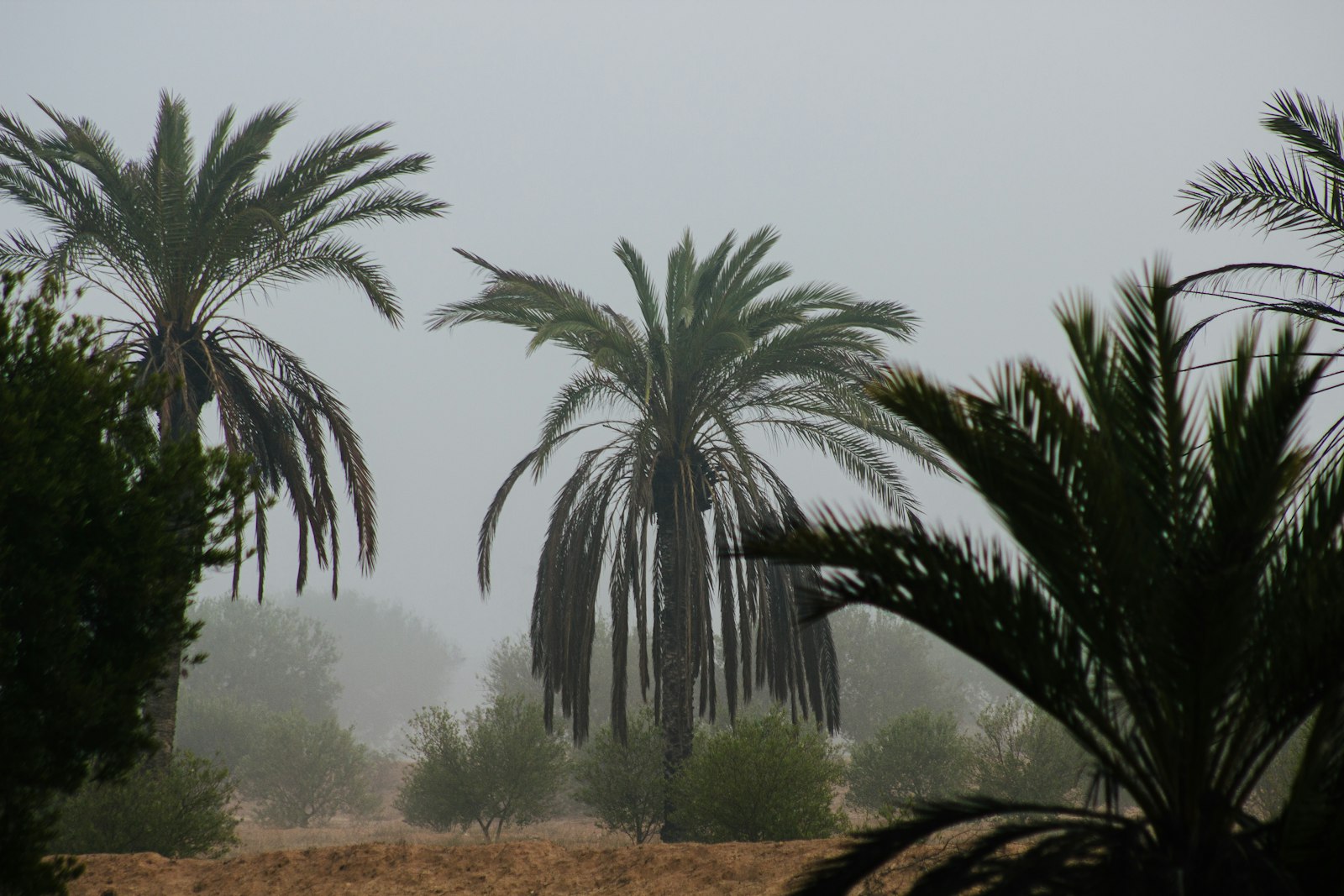
Gabès occupies an unusual place in Tunisia’s geography: it is a working port city, a modest industrial hub, and the location of what may be the world’s only palm oasis that directly borders the sea. The Chenini Oasis spreads across the northern fringes of the city, where date palms, pomegranate trees, and traditional garden plots grow within a short walk of the Gulf of Gabès shoreline.
For most visitors, Gabès appears as a transit point on the drive between the Saharan south and the coast. That framing sells it slightly short - while it lacks the refined medina of Sfax or the monuments of Kairouan, Gabès has a low-key appeal for travellers who want to see a functioning Tunisian coastal city without the resort overlay.
What to See and Do in Gabès
Chenini Oasis
The Chenini Oasis is the main reason to stop in Gabès. The palm grove covers several square kilometres on the northern edge of the city, and the combination of date palms, olive and pomegranate trees, and irrigated vegetable gardens gives it a lush, layered quality that the drier Saharan oases lack.
- Entry: free
- Getting there: by taxi from the city centre (approximately 3–5 TND), or on foot from the Chenini quarter (about 1 km from the main souk area)
- Time needed: 30–45 minutes for a walk through the main paths; 1–1.5 hours if you explore the side tracks
In the early morning, the oasis is used by local farmers and has an active, working character. The light in the late afternoon softens the sand and palm fronds into something more photogenic.
Gabès Medina and Old Souk
Gabès’s central souk area on the main commercial street is a working market rather than a heritage attraction - butchers, spice vendors, and cloth merchants alongside everyday goods. The pace is unhurried and prices are aimed at locals.
The old mosque (Grande Mosquée de Gabès) on the central square dates from the medieval period; non-Muslims can view the exterior only.
Matmata Day Trip
Matmata is 44 km west of Gabès - about 45 minutes by car on the C107 road. The famous underground troglodyte houses of Matmata, several of which were used as Star Wars filming locations, are the main draw. Louages to Matmata depart from the central market area in Gabès; the shared fare is approximately 5–8 TND. A private taxi for the day costs approximately 70–100 TND (negotiate in advance).
Ksar Ouled Soltane
Approximately 65 km south of Gabès via the GP1 highway, Ksar Ouled Soltane is one of the best-preserved ksour (fortified Berber granaries) in Tunisia. The four-storey ghorfas (storage chambers) around the central courtyard are in unusually good condition. Entry costs approximately 8 TND; hours are 08:00–17:00 daily.
Getting to and Around Gabès
From Tunis: SNCFT train from Tunis Barcelone station - approximately 6–7 hours, from around 24 TND second class. Louages depart from Bab Saadoun station throughout the day. For the most comfortable start to a southern road trip, a Tunis airport transfer to your first stop avoids the taxi-negotiation on arrival.
From Sfax: approximately 130 km south on the P1 highway; about 1.5 hours by car. Louages run frequently between Sfax and Gabès (approximately 12–15 TND, 1.5–2 hours).
From Tozeur: approximately 170 km northeast; about 2 hours by car. Louage connections exist but require a change at Gafsa in some cases.
Within Gabès: taxis are the main option. City rides cost approximately 3–8 TND. The oasis areas are also walkable from the city centre.
Where to Eat in Gabès
Gabès has a range of local restaurants along the main avenue and near the central market. Expect simple Tunisian cooking - grilled meats, couscous, brik, and fresh fish from the gulf.
- Restaurant de l’Oasis (Avenue Habib Bourguiba): a reliable local option for Tunisian staples; main dishes approximately 12–20 TND
- Le Bonheur (near the central market): grilled fish and mixed salads; approximately 15–25 TND per person
- Café culture around the main square; coffee and a pastry approximately 3–6 TND
There are no upscale restaurants in Gabès in the manner of Tunis or Sousse - this is a city where eating is primarily a local affair.
Where to Stay in Gabès
Accommodation in Gabès is functional rather than atmospheric. Most visitors who are doing the Saharan loop stay one night.
Search hotels in Gabes on Booking.com
| Tier | Hotel | Price per night (approx.) |
|---|---|---|
| Budget | Hôtel de la Poste (near the station) | from 45 TND (approximately 14 USD) |
| Mid-range | Hôtel Chems (coastal avenue) | from 140 TND (approximately 45 USD) |
| Mid-range | Hôtel Atlantic | from 120 TND (approximately 38 USD) |
All prices are approximate as of 2026.
Practical Tips
- Fuel and cash: Fill up in Gabès before heading south or west - petrol stations and ATMs are less reliable on routes toward Matmata and Ksar Ouled Soltane.
- Best time to visit: Spring (March to May) and autumn (September to November) give the most comfortable temperatures for exploring the oasis and surrounding sites. Summer brings temperatures above 35°C.
- Onward connections: Gabès is a natural staging point for drivers doing the full southern Tunisia loop: north via Sfax to Sousse, or west to Tozeur via Gafsa.
For the wider Saharan loop, see our Sahara desert tour itinerary and our Matmata destination guide. Gabès also works as a transit stop between the coast and Djerba - the island is approximately 90 km east via Mareth and Zarzis. A hire car is the most practical way to cover the Gabès–Matmata–Djerba leg, as public transport connections between these southern towns are limited. For organised day tours and activities around the oasis and surrounding region, browse Gabès tours on GetYourGuide.
Plan Your Trip
✈️ Book your flights to Tunisia 🛡️ Get travel insurance 📱 Stay connected with an eSIM 🚗 Rent a car