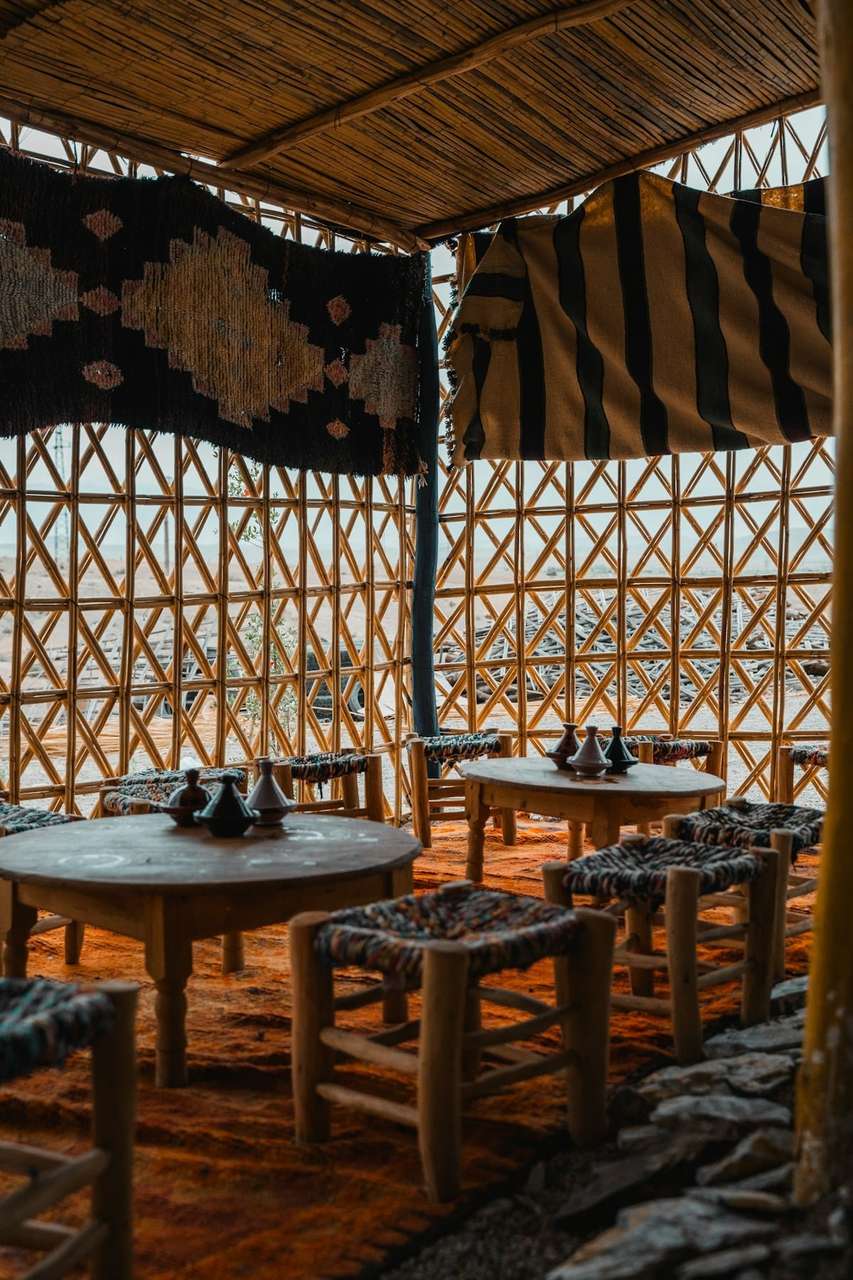
Kairouan does not have a restaurant scene in the way that Tunis or Sousse does. It has something better: a city that eats its own food, unchanged in any meaningful way by tourism, with a medina full of family-run kitchens, pastry makers who have been at the same spot for two or three generations, and lamb grills that fill the lanes with smoke every afternoon. Kairouan is one of the great holy cities of Islam, and the character of the place extends to how people eat - simply, without pretension, and with an emphasis on ingredients that the interior of Tunisia does it better than anywhere else.
What Kairouan Does Best
The city sits in the Tunisian interior, away from the coast, and the food reflects that distance from the sea. Lamb is the dominant protein, not fish. Olive oil from the surrounding Sahel region is used generously. Dried herbs and preserved lemons show up in almost everything.
Key things to eat here:
- Makroudh - Kairouan’s most famous product. These semolina-and-date pastries are fried and soaked in honey or syrup, then left to cool on wooden trays. The real thing, made by the old pastry houses in the medina, uses pressed dates from the region and a semolina that holds its shape without going soggy. Expect to pay 1–2 TND per piece from a serious maker. Tourist-facing versions sold near the Great Mosque tend to be sweeter and less interesting.
- Lamb brochettes (brochettes d’agneau) - skewered minced lamb with spices, grilled over charcoal. The smell finds you before the restaurants do in most of the medina. 8–12 TND for a full portion with bread.
- Couscous with lamb and vegetables - the interior Tunisian version uses more dried chilli and cumin than the coastal variants. A generous bowl at a medina canteen costs 9–14 TND.
- Lablabi - chickpea and bread soup with harissa, a universal Tunisian breakfast dish that Kairouan does well. 4–6 TND in most morning spots.
- Asida - a thick porridge of wheat flour served sweet (with honey and butter) or savoury. More of a breakfast and home cooking item, but occasionally found at traditional lunch spots.
- Tajine Kairouan - not the Moroccan clay pot, but the Tunisian egg-set baked dish with minced meat, parsley, and cheese. Local versions in Kairouan tend to be heavier on lamb and lighter on egg than the Tunis or coastal styles.
The Medina: Where to Eat
The medina of Kairouan is large and UNESCO-listed. Most of the eating happens in three zones: the area around Place des Martyrs to the north, the streets between the Great Mosque and the Aghlabid Basins, and the covered central market area.
Restaurant Sabra
One of the longest-running lunch spots in the medina, Sabra is on a lane running parallel to the main souk street. The menu is fixed: daily couscous (lamb most days, occasionally chicken), tajine, and sometimes a braised lamb shank (keftaji). The dining room has tiled walls, bare tables, and no concessions to tourist comfort - it is exactly what it looks like. A full lunch with bread and a soft drink runs 12–16 TND. It tends to be full by 12:30pm; they do not take reservations.
Chez Youssef
A smaller, slightly less formal lunch canteen a few blocks east of Place des Martyrs. Youssef has the same daily rotation as Sabra but also does a solid mechouia salad (grilled peppers and tomatoes with tuna and olive oil, around 5 TND) as a starter. The lamb couscous here is reliably good. Whole meal for one: 10–14 TND. Friendly staff, open about noon to mid-afternoon.
Restaurant El Barrouta
Slightly smarter presentation than the average medina canteen and popular with Tunisians driving through from Tunis or Sfax. El Barrouta serves a broader menu including fish on some days, though the lamb dishes are the reason to come. The terrace at the back overlooks a quiet lane and is a pleasant spot for an unhurried lunch. Per-person cost is 18–28 TND - higher than the street canteens but still reasonable by Tunis standards.
Makroudh: Where to Buy the Real Thing
There are dozens of pastry shops in Kairouan selling makroudh, but a few stand out for using traditional methods and local ingredients rather than pre-made pastry.
Maison Slama
One of the oldest pastry houses in the medina. Slama makes makroudh in the traditional fried version (not the baked shortcut used by many modern shops) with the Deglet Nour dates from the region. The pastries cool on large trays visible through the shop window. A box of ten pieces runs approximately 18–22 TND depending on size. They also sell baklawa, ghraïba (shortbread cookies), and date-filled kaak (ring cookies).
Patisserie Bab Jedid
Named for the medina gate near which it operates. Bab Jedid is smaller than Slama but has a loyal following for its makroudh au four (oven-baked rather than fried) - slightly lighter and less oily than the classic version. 1.5–2 TND per piece, sold loose from the tray. Good for buying a few to eat immediately rather than a full box.
Market Stalls on Rue de la Grande Mosquée
The street leading from the main entrance of the Great Mosque to the medina market is lined with makroudh and sweets vendors. These are the most visible and tourist-facing options. The makroudh here is adequate and fine as an introduction to the pastry, but for the best quality, the dedicated pastry houses above are worth the extra few minutes of walking.
Around the Aghlabid Basins
The Aghlabid Basins at the northern edge of the city are a key sight in Kairouan, and the cafes around the entrance serve simple food: sandwiches, brik, coffee, and soft drinks. These are fine for a snack break but not the place for a proper meal.
Cafe des Bassins is the most pleasant of the cluster, with a shaded terrace and a view across the excavated reservoirs. Brik runs 3–4 TND, coffee 2–3 TND. It operates primarily as a cafe with a limited snacks menu.
Explore Kairouan on a Guided Food Tour
Kairouan’s food is the food of the Tunisian interior - lamb-centred, makroudh-rich, and tied to the city’s agricultural and religious heritage in ways a menu alone won’t convey. A guided tour that takes in the Great Mosque, the Aghlabid Basins, and the medina’s pastry houses covers the full context in a single half-day, with meals and tastings included alongside the main sights. From Tunis, a day tour combining Kairouan, El Jem, and a medina lunch is the most efficient way to experience the city’s cuisine on a time-limited visit.
Practical Notes
When to eat: Kairouan’s lunch service is noon to 2pm and the good spots run out of couscous early. For dinner, options in the medina are limited - most canteens close by 4–5pm. The newer part of the city (outside the medina walls) has a few restaurants open later, but they are mainly standard Tunisian grill menus.
What things cost: A full lunch at a medina canteen runs 10–16 TND per person. Makroudh from the pastry houses costs 15–22 TND per box of ten. Coffee and snacks at a cafe: 3–6 TND.
Ramadan: Kairouan is a holy city and Ramadan is observed strictly here. Most restaurants are closed during daylight hours in Ramadan. The city comes alive after iftar with extended evening markets, street food, and additional pastry production for the season - a good time to experience makroudh and sweets in their home context.
Getting there from Tunis: Kairouan is approximately 160 km from Tunis - around 1.5–2 hours by louage (shared taxi) from the Bab Alioua terminal, or 2–2.5 hours by bus. It is easily done as a long day trip, though the city rewards an overnight stay. For a day trip that combines Kairouan’s medina and food markets with El Jem and Sousse, a guided Kairouan and El Jem tour from Tunis includes lunch and transport.
Note on prices: All prices above are approximate as of 2026. Costs at medina canteens can shift seasonally - confirm prices before ordering.
Where to Stay in Kairouan
Kairouan is manageable as a day trip from Tunis but rewards an overnight stay - the medina quietens after the day-trippers leave and the evening atmosphere around the Great Mosque is distinctive. Hotels in Kairouan include small guesthouses inside the medina walls and standard hotels on the city’s outskirts.
Plan Your Trip
✈️ Book your flights to Tunisia 🛡️ Get travel insurance 📱 Stay connected with an eSIM 🚗 Rent a car in Tunisia