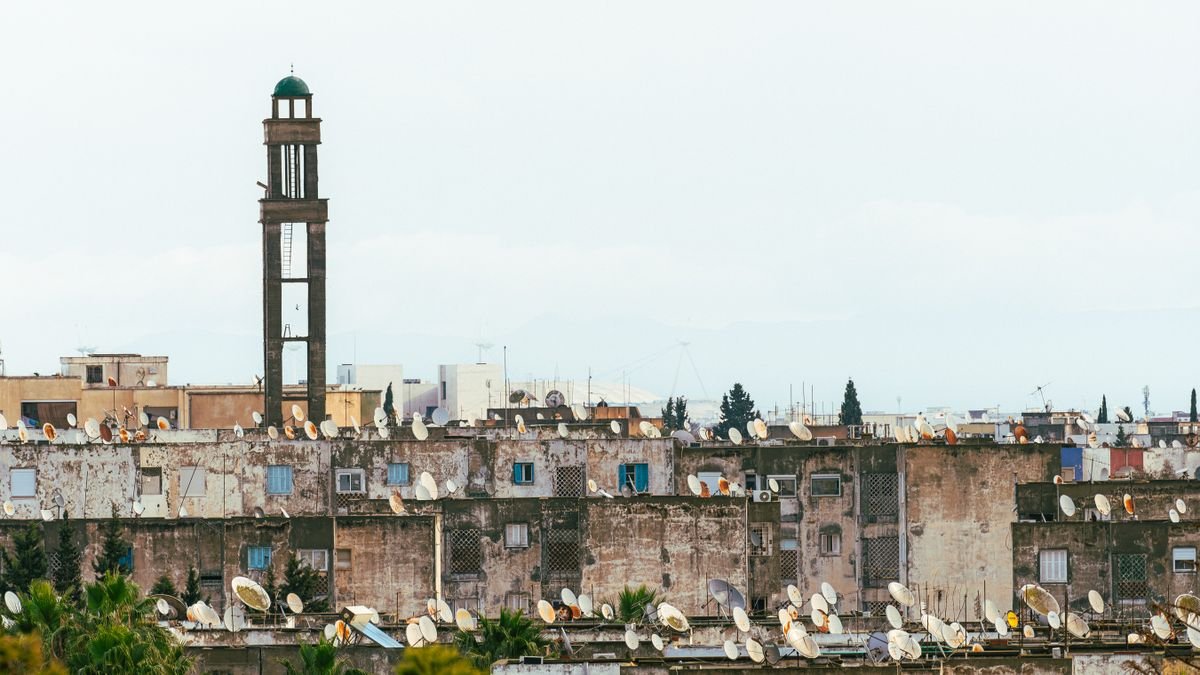
Tunis is the capital and the wettest of Tunisia’s main tourist cities. Summers are hot and dry like the rest of the coast, but winters are noticeably cooler, greyer and rainier than Sousse or Djerba, so it pays to check the weather before you book a city break. This guide gives approximate month-by-month weather for Tunis, including the nearby sea temperature at Carthage and La Marsa, rain days and sunshine hours.
Tunis Weather by Month
Approximate monthly averages for Tunis, compiled from long-term climate averages published by Weather2Travel (rounded to whole degrees and millimetres) and cross-checked against Tunisia’s national meteorological institute, the Institut National de la Météorologie. Individual years vary, so treat every figure as approximately typical rather than guaranteed. Sunshine is average hours per day; click a month for our full country guide.
| Month | High | Low | Sea | Rain days | Rainfall | Sunshine |
|---|---|---|---|---|---|---|
| January | 15°C | 7°C | 15°C | 11 | 66 mm | 5 h |
| February | 16°C | 5°C | 14°C | 10 | 63 mm | 6 h |
| March | 18°C | 8°C | 15°C | 11 | 53 mm | 6 h |
| April | 21°C | 10°C | 16°C | 9 | 43 mm | 8 h |
| May | 25°C | 13°C | 18°C | 6 | 25 mm | 9 h |
| June | 29°C | 17°C | 21°C | 3 | 12 mm | 10 h |
| July | 33°C | 20°C | 24°C | 1 | 4 mm | 11 h |
| August | 33°C | 21°C | 26°C | 2 | 9 mm | 11 h |
| September | 30°C | 19°C | 25°C | 4 | 36 mm | 9 h |
| October | 25°C | 15°C | 23°C | 8 | 68 mm | 7 h |
| November | 20°C | 11°C | 20°C | 9 | 60 mm | 6 h |
| December | 16°C | 8°C | 17°C | 11 | 73 mm | 5 h |
In short: July is the warmest month (about 33°C by day), January the coolest (about 15°C by day and 5°C at night at the coldest), December the wettest (about 73 mm) and July the driest (about 4 mm). The sea is warmest in August at approximately 26°C.
A city break climate: wetter winters
Tunis gets approximately 60-70 mm of rain in each of December, January, February and October, spread across 10-11 days a month. That is roughly double Sousse and three times Djerba. Winter highs of 15-16°C and lows of 5-8°C feel colder than the numbers suggest because of damp air and wind, and sunshine drops to about 5 hours a day. If you visit in December, plan for a mix of bright and showery days and bring layers. Our Tunisia in December guide covers the season in detail.
Spring and autumn: the best months for sightseeing
April and May are probably the best times to explore the Medina, the Bardo and Carthage on foot. Highs are around 21-25°C, rain is falling away (43 mm in April, 25 mm in May) and sunshine reaches 8-9 hours a day. September and early October are also good, though October is one of the wettest months at about 68 mm. The cooler shoulder seasons also make the climb to Sidi Bou Said comfortable.
Summer heat and the sirocco
July and August highs average about 33°C with warm nights near 20-21°C, and the sea at La Marsa and Gammarth is a pleasant 24-26°C. The real risk is the sirocco, a hot Saharan wind that can push Tunis temperatures into the high 30s or above for a few days at a time. Sightseeing in the Medina or at the Carthage ruins is best done in the morning or late afternoon, with a long lunch break between.
Best Time to Visit Tunis by Trip Type
- City sightseeing: April, May, late September and early October: moderate heat, long days and lower rain.
- Beach time: July to September, using the northern suburbs of La Marsa and Gammarth or a day trip south to Hammamet.
- Cheapest trips: November to March, when hotel prices are lowest but rain is frequent.
- Avoid if you dislike heat or damp: Mid-summer for heat; December to February for the dampest weather.
For the full picture across the country, see our best time to visit Tunisia guide.
What to Pack for Tunis
Spring and autumn: light layers, a compact umbrella and comfortable walking shoes for uneven medina paving. Summer: breathable clothing, hat and sun cream. Winter: a proper waterproof coat and shoes with grip, since medina alleys get slippery.
Compare Tunis With Nearby Places
If you want drier winter weather, Djerba weather is far kinder, and Sousse weather is a middle option. Our Tunis vs Sousse comparison covers which suits your trip.
Plan Your Stay in Tunis
Once you have picked your dates, read the Tunis destination guide for neighbourhoods, sights and practical details, browse the best hotels in Tunis for where to sleep, and see things to do in Tunis for activities. Related reading: Carthage, Sidi Bou Said, Tunis vs Sousse. On a wet day, a guided Tunis tour that includes indoor museums can save your plans.