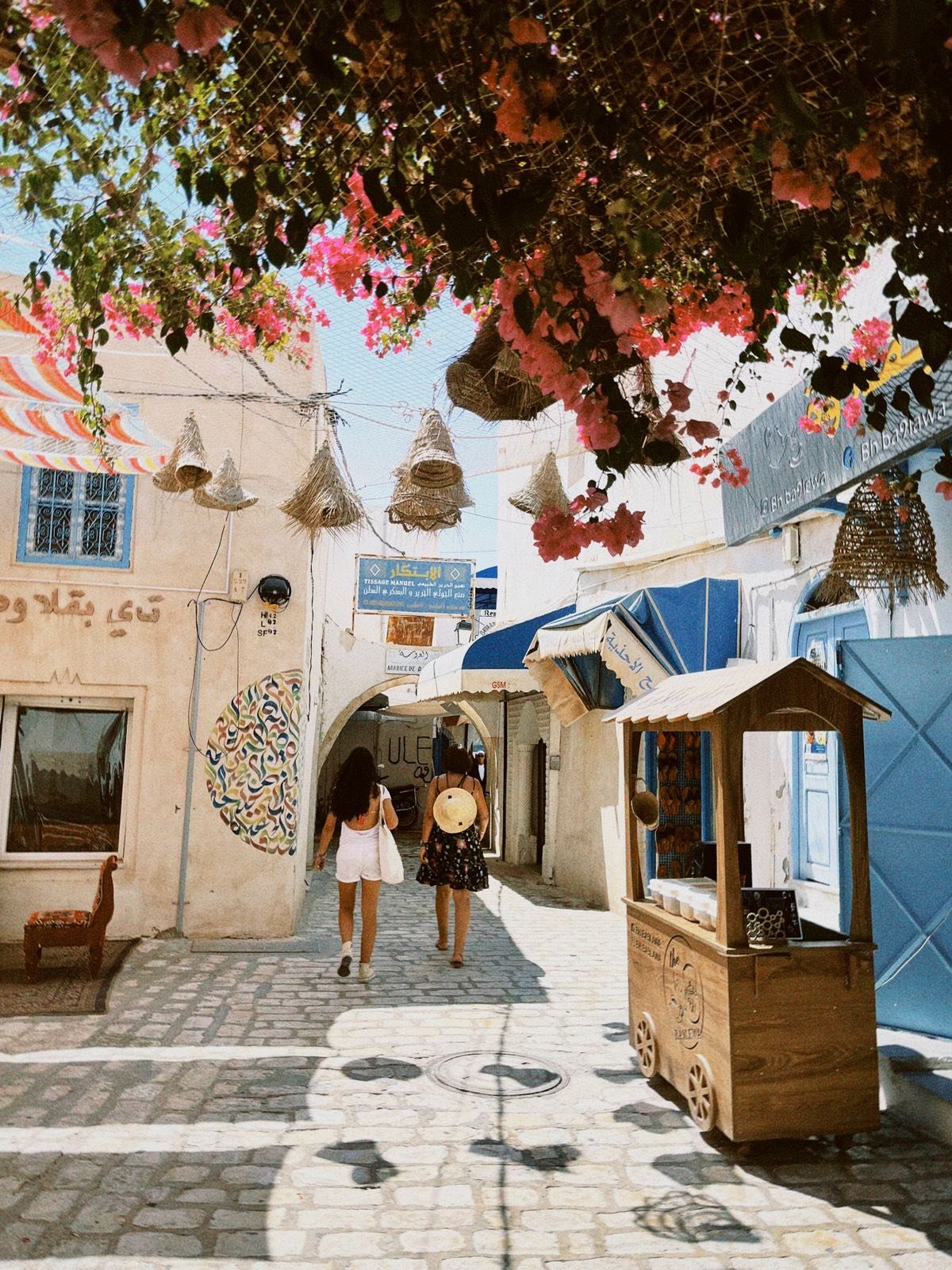
Djerba is Tunisia’s southernmost beach island, in the far south-east, joined to the mainland by a causeway, and it is the driest and sunniest of the main resort areas. Winters are the mildest on the coast and rain is rare, which makes it the standard choice for off-season sun. This guide gives approximate month-by-month figures for Djerba so you can see how it compares with Sousse, Hammamet and Tunis.
Djerba Weather by Month
Approximate monthly averages for Djerba, compiled from long-term climate averages published by Weather2Travel (rounded to whole degrees and millimetres) and cross-checked against Tunisia’s national meteorological institute, the Institut National de la Météorologie. Individual years vary, so treat every figure as approximately typical rather than guaranteed. Sunshine is average hours per day; click a month for our full country guide.
| Month | High | Low | Sea | Rain days | Rainfall | Sunshine |
|---|---|---|---|---|---|---|
| January | 16°C | 9°C | 15°C | 4 | 22 mm | 7 h |
| February | 18°C | 9°C | 14°C | 4 | 18 mm | 7 h |
| March | 20°C | 11°C | 15°C | 3 | 21 mm | 8 h |
| April | 22°C | 13°C | 17°C | 3 | 18 mm | 9 h |
| May | 26°C | 16°C | 20°C | 2 | 7 mm | 10 h |
| June | 29°C | 20°C | 23°C | 1 | 2 mm | 11 h |
| July | 32°C | 22°C | 26°C | 1 | 0 mm | 12 h |
| August | 32°C | 23°C | 28°C | 1 | 1 mm | 11 h |
| September | 30°C | 21°C | 27°C | 2 | 22 mm | 9 h |
| October | 26°C | 18°C | 25°C | 4 | 48 mm | 8 h |
| November | 22°C | 13°C | 22°C | 4 | 26 mm | 7 h |
| December | 18°C | 10°C | 18°C | 4 | 32 mm | 7 h |
In short: July is the warmest month (about 32°C by day), January the coolest (about 16°C by day and 9°C at night at the coldest), October the wettest (about 48 mm) and July the driest (about 0 mm). The sea is warmest in August at approximately 28°C.
Why Djerba is the sunniest resort
Djerba gets roughly 7 hours of sunshine a day even in January and December, against about 5 hours in Tunis and Hammamet. Rainfall is also far lower: about 22 mm in January and only about 4 rain days, compared with 66 mm and 11 days in Tunis. Winter highs are around 16-18°C with lows of 9-10°C, so a coat is rarely needed in daytime, although evenings can feel cool. July and August reach approximately 32°C by day and 22-23°C at night, and the island is flat and exposed, so shade matters.
Sea temperature around the island
Djerba’s sea is among the warmest in Tunisia in late summer. It is approximately 14-15°C in February and March, 17°C in April, 20°C in May and 23°C in June, then 26°C in July and 28°C in August. September stays around 27°C and October is still about 25°C, so the swimming season runs from late May or June right through to October for most people. Shallow beaches near Midoun and Sidi Mahrez warm faster than open water. See our Djerba beaches guide for where to swim.
Rain, wind and the autumn storm season
Djerba is dry for most of the year. The main exception is October, when around 48 mm of rain falls over about 4 days, often in short heavy bursts that can flood roads briefly. Spring is almost dry, with only about 7 mm in May and almost nothing from June to August. Wind is the main nuisance: the island is open to sea breezes year-round, which cools the summer heat but can make a winter beach day feel chilly and cause rough water for ferries and boat trips.
Best Time to Visit Djerba by Trip Type
- Beach holiday: June, September and October: warm sea, hot sunshine and very little rain.
- Winter sun: December to February: the warmest winter on the coast with about 7 hours of sunshine a day, though the sea is cold.
- Sightseeing: March to May: highs of 20-26°C, ideal for Houmt Souk, Erriadh and the synagogue at El Ghriba.
- Avoid if you dislike heat: July and August, when highs reach 32°C and there is little natural shade.
For the full picture across the country, see our best time to visit Tunisia guide.
What to Pack for Djerba
Summer: lightweight clothing, a wide-brimmed hat, strong sun cream and water shoes. Winter: a fleece or light jacket for evenings and a windproof layer for beach walks. Bring a light waterproof if you travel in October.
Compare Djerba With Nearby Places
Compare with Sousse weather, which is cooler and wetter in winter, and Tunis weather, which gets about three times as much winter rain. Our Tunis vs Djerba page covers how they differ for a first trip.
Plan Your Stay in Djerba
Once you have picked your dates, read the Djerba destination guide for neighbourhoods, sights and practical details, browse the where to stay in Djerba for where to sleep, and see things to do in Djerba for activities. Related reading: Tunis vs Djerba, Djerba vs Monastir, Djerba beaches. Cooler months suit a guided Djerba tour of the island’s villages, markets and the El Ghriba synagogue.