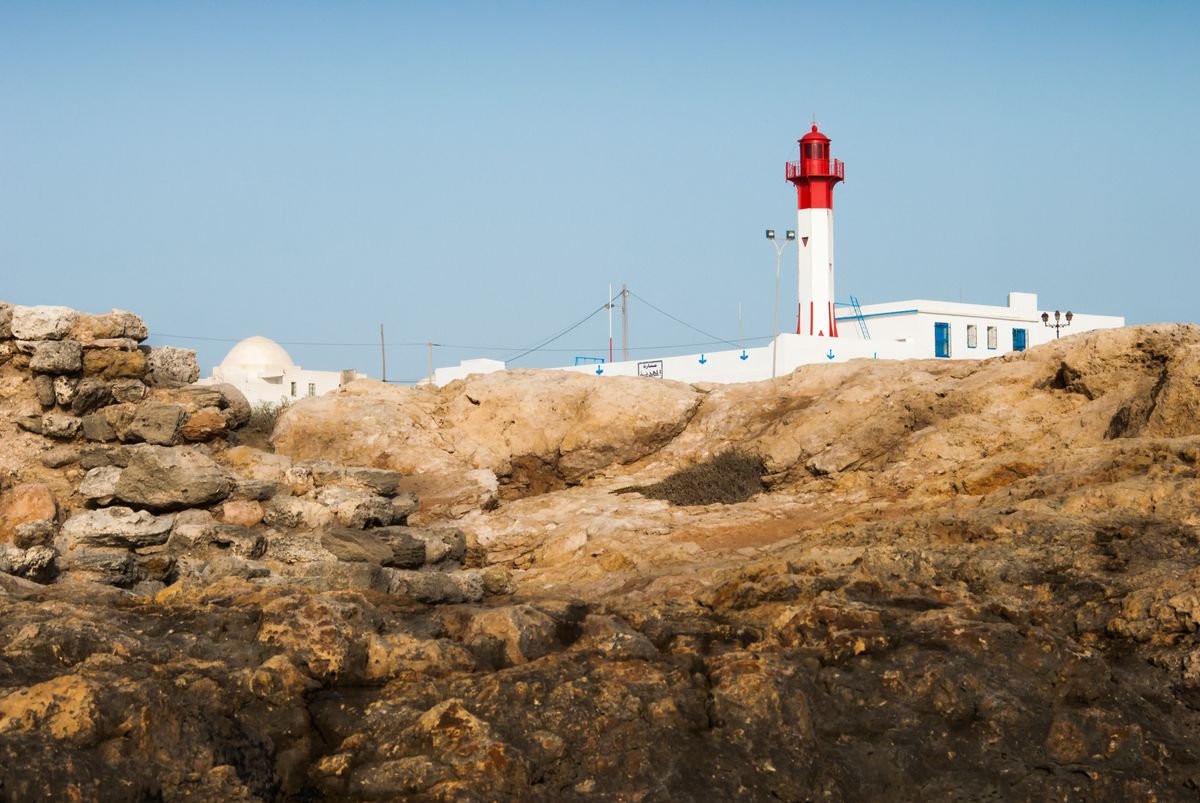
Mahdia is one of the few places on Tunisia’s Sahel coast where the old town, the beach and a working harbour all sit within a short walk of each other. The medina occupies a narrow rocky cape that pushes into the Mediterranean, and for a few decades in the early 10th century it was the capital of the Fatimid caliphate, before the dynasty moved its seat to Egypt and founded Cairo. That history is the reason to come. The beaches and relaxed pace are the reason to stay.
Most visitors know Mahdia only as a name on a charter-flight transfer sheet. It deserves more than that, particularly if you are building a route between Monastir, Sousse and El Jem.
Why visit Mahdia
A real medina. The old town is small, flat and still lived in. You can cross it end to end in ten minutes, but the lanes of weavers, bakers and cafés reward slower walking. There is no hard-sell souk atmosphere here.
Fatimid and Ottoman heritage. The Skifa el-Kahla gatehouse, the Great Mosque, the fortress of Borj el Kebir and the carved Fatimid harbour all date from different centuries and are all within the same small area.
Beaches without the strip-mall feel. Long sandy beaches run north of the cape, and the hotels are low-density compared with Sousse or Hammamet. Water conditions are good for swimming from late May to October.
Honest prices. Meals in the old town and the port area are cheaper than in the main resort cities. A fish lunch at a harbour-side restaurant typically costs around 25-45 TND per person as of 2026.
What to see: the short version
Our full guide to things to do in Mahdia covers each site in detail with entry advice and a walking route. In outline:
- Skifa el-Kahla, the “Dark Gate”, the main entrance to the medina and the best place to start. The adjoining museum holds Roman and Byzantine mosaics along with Fatimid-era and Zirid objects.
- The Great Mosque, founded in the early 10th century by the first Fatimid caliph and rebuilt in the 20th century on its original plan. Non-Muslim visitors usually view the courtyard from outside.
- Borj el Kebir, the large fortress on the high ground at the tip of the cape, built in the 16th century over earlier Fatimid foundations. The ramparts give the best view of the peninsula.
- The Fatimid port, a basin cut into the rock on the north side of the cape, used by the Fatimid fleet and possibly older.
- Cap d’Afrique and the lighthouse, the rocky end of the peninsula, where the old cemetery faces the open sea.
When to go
| Season | What to expect |
|---|---|
| March to May | Mild, 18-25°C, good for walking the medina and day trips. Sea still cool. |
| June | Warm, sea comfortable, hotels cheaper than July. A good all-round month. |
| July and August | Hot, 30-34°C, busiest beaches and highest hotel rates. |
| September to mid-October | Sea at its warmest, crowds thinning. Our pick for a beach stay. |
| November to February | Cool and breezy, 10-17°C. The town is quiet and many beach services close. |
Where to stay
Mahdia has two clear zones. The hotel strip sits north of the medina along the beach and suits all-inclusive stays and families. The old town has a smaller number of guesthouses for visitors who prefer a walkable, local base. We rate the choices, with rates and areas, in our guide to the best hotels in Mahdia. For a wider search, compare hotels in Mahdia on Booking.com.
International interest in the coast is growing: Spain’s Meliá Hotels has announced its first Tunisian property here, which we cover in our news report on Meliá’s move into Mahdia.
Getting to Mahdia and around
By air. Monastir Habib Bourguiba Airport (MIR) is about 40 km north and has the best charter and scheduled links from the UK, France, Germany and Italy. See our Monastir airport transfer guide for taxi prices and pre-booked options. Taxi fares from the airport to Mahdia are typically in the range of 50-80 TND as of 2026.
By louage. Shared taxis connect Mahdia with Monastir, Sousse and Sfax. They leave when full, cost a few dinars to Monastir and somewhat more to Sousse, and are the cheapest way to cover the Sahel coast. Our Sousse to Monastir louage guide explains how the system works, and the same rules apply here.
By train. The Sahel line runs from Sousse through Monastir to Mahdia. It is slow but cheap and a decent way to see the coast. Check current timetables on the SNCFT site before travelling, since frequency changes by season.
By car. Having a car makes El Jem, the coastal villages south of Mahdia and the beaches easy to combine in one day. See our Tunisia car rental guide for companies and tips.
On foot. Once you are in the medina, you will not need transport.
Day trips from Mahdia
- El Jem (35 km). The third-largest Roman amphitheatre in the world is a 40-minute drive inland. Read our El Jem guide and consider a guided El Jem amphitheatre tour.
- Monastir (about 40 km north). The Ribat and the Bourguiba mausoleum make a half-day. See things to do in Monastir.
- Sousse (about 60 km north). A larger medina, a ribat and a lively seafront. Our Sousse guide covers it.
- Sfax (about 100 km south). Tunisia’s second city and a working port, covered in our Sfax guide.
Mahdia has few operators of its own, so most organised excursions start from Monastir or Sousse. Browse tours and activities around Mahdia on GetYourGuide to compare current options.
Practical notes
- Dress. Mahdia is relaxed but conservative outside the hotel zone. Cover shoulders and knees in the medina and when entering religious buildings.
- Money. Carry dinars in cash for cafés, louages and small shops. ATMs are found along the main avenue leading to the medina.
- Wind. The coast is breezy, which is why kitesurfing schools operate here, but it also means the sea can be choppy on some days.
- Official information. For general travel details, the Tunisian National Tourism Office runs Discover Tunisia with up-to-date regional information.
Prices above are approximate and reflect 2026 conditions; confirm before you travel.
Planning around the weather? Our Mahdia weather guide gives approximate monthly highs, lows, sea temperatures and rain days.